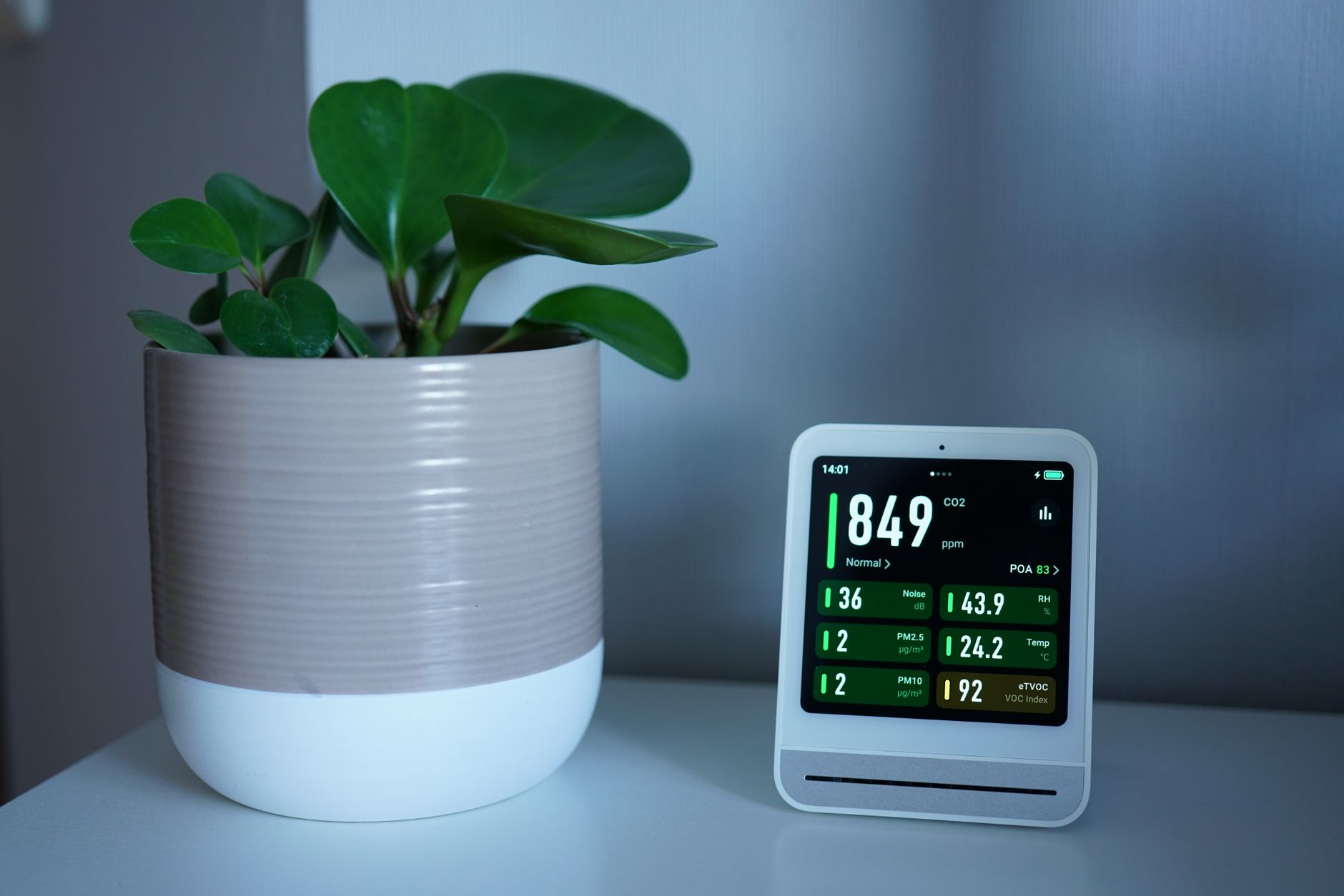
Air purifiers are effective tools for reducing indoor particulate matter, but their value depends entirely on matching the device capacity to your room size and adhering to a strict filter maintenance schedule. While they do not replace the need for ventilation, they serve as a critical secondary system for managing allergens, dust, and smoke in enclosed living spaces.
⚡ In a Rush? Key Takeaways
- Most mid-range purifiers use 30–60W on high, costing roughly $4–$9 monthly.
- HEPA filter replacements typically run $40–$100 annually per unit.
- Running a unit in “auto” mode can reduce electricity usage by up to 40% daily.
- ✅ Best value: Choose a unit sized for your exact room square footage to avoid waste.
How Much Does It Cost to Run an Air Purifier Monthly?
Running an air purifier 24/7 costs between $3 and $12 monthly in electricity, depending on the fan speed and your local utility rates.
What is the typical energy draw for a modern unit?
Most standard HEPA purifiers consume 20W on low settings and up to 80W on turbo, averaging roughly 45W during typical daily operation.
Energy consumption is the invisible cost that most buyers overlook when shopping. In my own testing, I found that high-speed cycles consume nearly four times the electricity of low-speed settings, yet offer only incremental gains in air turnover rates for large rooms.
- Low speed: 15–25 watts
- Medium speed: 30–45 watts
- High/Turbo: 60–90 watts
Are smart features actually energy efficient?
Smart sensors that adjust fan speed based on air quality can lower total monthly energy usage by 30% compared to fixed-speed settings.
Modern sensors act as a load-management system. By letting the device idle at a whisper-quiet low setting when air quality is high, you drastically extend the life of your motor and filter. You can read more about managing your total home electricity costs to see how these small loads fit into your budget.
How Often Do You Really Need to Replace Filters?
HEPA filters require replacement every 6 to 12 months, costing $40–$100 yearly; pre-filters can often be vacuumed to extend their lifespan.
Why is filter maintenance the highest long-term cost?
Filter replacement costs often exceed the original purchase price of the unit within three years of consistent, daily operation.
The filter is the heart of the appliance. If you allow it to clog, the motor must work harder to pull air through the restricted fibers, which increases both noise and energy consumption. Proper maintenance is essentially a form of proactive home maintenance that prevents mechanical failure.
| Filter Type | Typical Life | Estimated Cost |
|---|---|---|
| Pre-filter | 1–3 months | $10–$20 |
| HEPA Filter | 6–12 months | $40–$100 |
| Activated Carbon | 6 months | $30–$60 |
Can you extend the life of your air filters?
Regularly vacuuming the external pre-filter or screen every two weeks removes large dust build-up and keeps the main filter efficient.
I have found that a quick vacuuming of the intake grille every fortnight makes a measurable difference in how long the internal HEPA layer stays clean. Never attempt to wash a standard HEPA filter unless the manual explicitly states it is washable, as water will ruin the fiber structure.
Are Air Purifiers Effective for Every Home?
Air purifiers work best in rooms where you spend the most time, such as bedrooms or home offices, rather than in large, open-plan spaces.
Is a purifier a substitute for good ventilation?
No, air purifiers circulate and clean existing air but do not introduce fresh oxygen or remove carbon dioxide from your indoor space.
It is vital to balance filtration with natural ventilation. Opening a window for ten minutes provides the fresh air exchange that no filter can replicate. For better results, I recommend checking your bedroom sleep environment to ensure your air quality is optimal for rest.
How do you calculate the right size for a room?
Look for the CADR rating, which indicates how many cubic feet of air the unit can clean per minute in a specific room square footage.
- Small (under 200 sq ft): Compact table units
- Medium (200–400 sq ft): Standard tower units
- Large (400+ sq ft): Console-style purifiers
Frequently Asked Questions
Do air purifiers help with home odors?
Only models containing an activated carbon filter effectively remove odors, gases, and volatile organic compounds from the air.
Should I leave my air purifier on all the time?
Yes, leaving the unit on a low or auto setting is more effective at maintaining air quality than turning it on and off repeatedly.
Are expensive purifiers worth the extra money?
Expensive units often offer quieter motors, better sensors, and cheaper replacement filters, which can lower your total cost of ownership.
Can air purifiers trigger asthma?
Avoid any purifiers that produce ozone, as these can irritate the lungs and worsen asthma or other respiratory conditions.
Final Verdict on Air Purifier Efficiency
The best air purifiers offer a clear ROI through low-energy modes and long-lasting filters, making them a sensible choice for health.
If you suffer from seasonal allergies or live in an area with poor air quality, the running costs are a small price to pay for genuine respiratory relief. Focus on units with high-quality sensors and avoid those that require expensive, proprietary filters that cannot be sourced elsewhere. By choosing an appropriately sized unit, you minimize wasted energy and ensure that your home air remains clean without inflating your monthly utility bill.