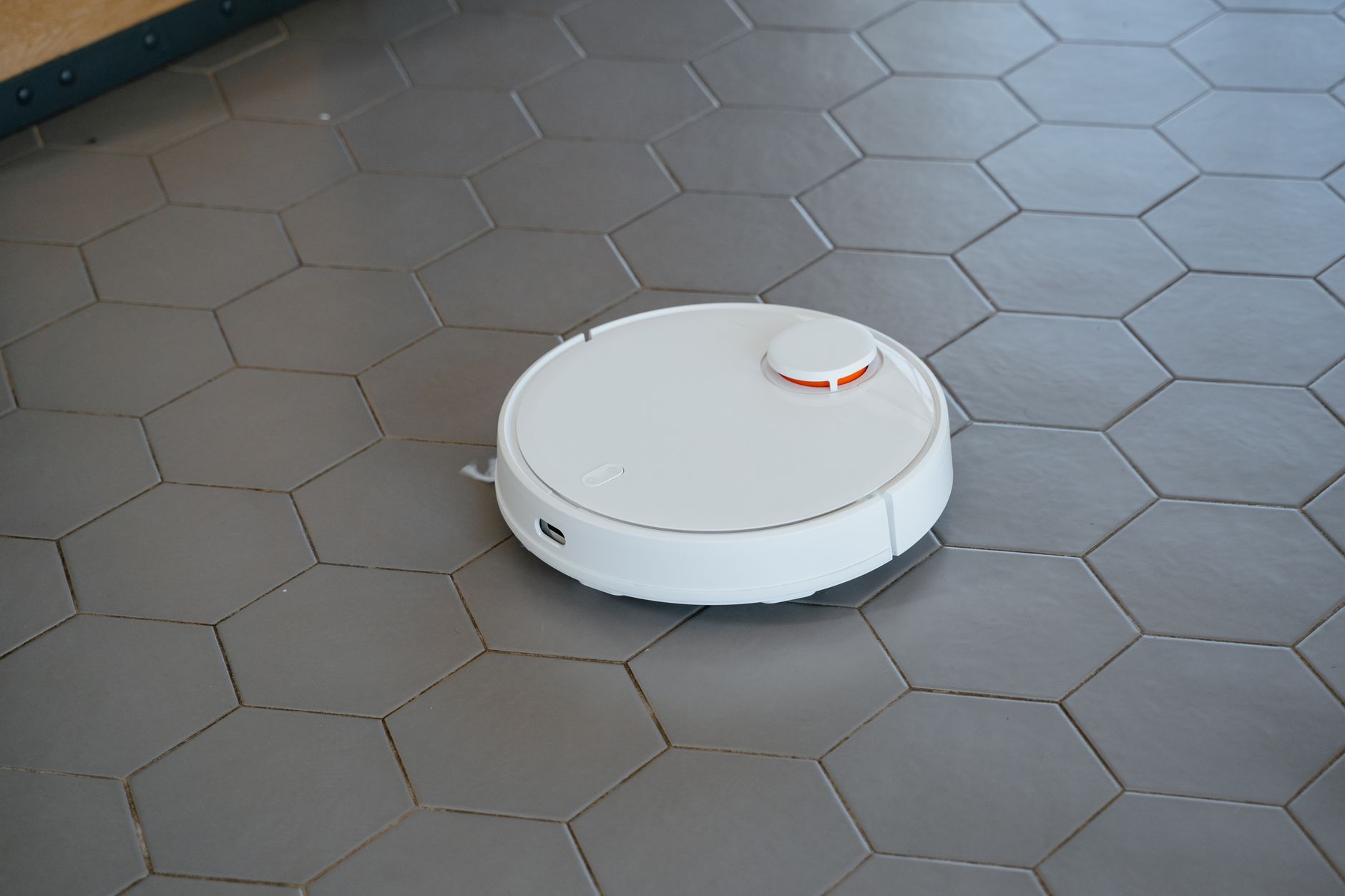
Robot vacuums are automated cleaning appliances that save an average of 2 to 4 hours of manual floor care per week in households with high-traffic areas. While they cannot replace a deep clean, their ability to maintain daily floor hygiene makes them a legitimate utility for busy homes.
⚡ In a Rush? Key Takeaways
- A quality robot vacuum saves roughly 150 hours of manual cleaning annually.
- Top-tier models now feature 5,000+ Pa suction for deeper carpet pile cleaning.
- Maintenance tasks like clearing brushes add 15 minutes of work every two weeks.
- ✅ Choose a model with lidar navigation to avoid inefficient random pathing.
Are Robot Vacuums Actually Efficient for Daily Cleaning?
These devices provide consistent maintenance cleaning that prevents dust buildup, though they struggle with corners and stairs by design.
How Do Navigation Systems Affect Cleaning Speed?
Lidar-based navigation maps rooms in minutes, allowing the unit to clean in structured rows rather than wandering randomly for hours.
Older models used to bump into furniture until they eventually covered the area, which was wildly inefficient. Today’s Lidar and camera-based systems ensure the machine knows exactly where it has been. This efficiency reduces the time spent on a single floor from two hours down to forty minutes.
Why Does Suction Power Matter for Carpets?
Higher suction power ratings measured in Pa are critical for pulling embedded hair and fine debris from deep carpet fabric fibres.
Not all floors are equal when it comes to automated maintenance. For hard floors, almost any model will suffice. If you have rugs or carpets, you need to look at specific suction benchmarks:
- Basic models (under 2,000 Pa): Good for hardwood and tile dust.
- Mid-range models (2,500–4,000 Pa): Adequate for low-pile residential rugs.
- Premium models (5,000+ Pa): Necessary for thick carpets and pet hair.
Can They Effectively Clean Under Low Furniture?
Ultra-thin models measuring under 3.5 inches in height can navigate beneath most standard sofas and bed frames with ease.
One of the hidden benefits of these devices is their ability to reach dust trapped under furniture that is rarely moved. If you are shopping for a home with specific clearances, measure your furniture first. Choosing the right appliance is often about matching dimensions to your specific layout, much like when planning efficient kitchen workflow systems to save steps.
What Are the True Costs of Owning a Robot Vacuum?
Beyond the initial purchase price, you must budget for replacement brushes, filters, and high-efficiency particulate air bag costs.
How Much Do Consumable Parts Cost Per Year?
Expect to spend $40–$70 annually on replacement side brushes, main rollers, and HEPA filters to maintain consistent performance.
Neglecting these components leads to reduced suction and potential motor strain. I have tracked my own maintenance costs and found that buying generic filters often results in shorter lifespans, so sticking to branded replacements is usually the better financial path.
Is the Electricity Usage Significant?
These devices draw very little power, typically costing under $5 per year in electricity even with daily scheduled cleaning cycles.
Because they recharge on a low-voltage dock, the energy footprint is negligible. For those concerned about home energy efficiency and cost savings, these appliances are far more economical than running a traditional 1,200-watt upright vacuum daily.
What About the Hidden Cost of Repairs?
Most units have a 2-year lifespan for internal batteries, which cost $50–$100 to replace when the runtime begins to degrade significantly.
Before you commit to an expensive unit, check the brand’s repair policy. High-end brands often offer modular components that are easier to service yourself. If you are interested in basic home maintenance and DIY repair, this can extend your device’s life by years.
What Do You Need to Know Before Buying?
Effective use requires clearing your floor of loose cables and small objects that can easily jam the intake mechanisms or sensors.
Are They Reliable in Homes With Pets?
Models with rubberized dual-brush rollers are superior for pet owners because they prevent hair from tangling during daily cycles.
Standard bristle brushes are magnets for pet hair and require constant detangling. If you have pets, prioritize a model explicitly marketed as ‘tangle-free’ or ‘pet-friendly’ to save yourself the manual labor of cleaning the machine.
Do You Still Need a Manual Vacuum Cleaner?
Yes, a manual vacuum remains necessary for cleaning upholstery, stairs, and tight corners that robots cannot physically reach.
Are There Common Pitfalls to Avoid?
Avoid units that lack boundary control software, as these will inevitably get stuck on cables, rugs with tassels, or closed doors.
Frequently Asked Questions
-
Do robot vacuums work on dark carpets?
Some sensors perceive dark surfaces as cliff edges, causing the vacuum to stop, but many 2026 models include a sensor override setting.
-
How often should I empty the dustbin?
Standard bins require emptying every 2–3 cleanings, while self-emptying base stations only need attention every 30 to 60 days.
-
Will they fall down the stairs?
No, cliff sensors effectively detect drop-offs and prevent the unit from falling, provided the sensors remain clean and free of dust.
-
Can I schedule them to run when I am out?
Yes, all modern app-connected models allow you to set specific cleaning times, days, and even map-based zones via your smartphone.