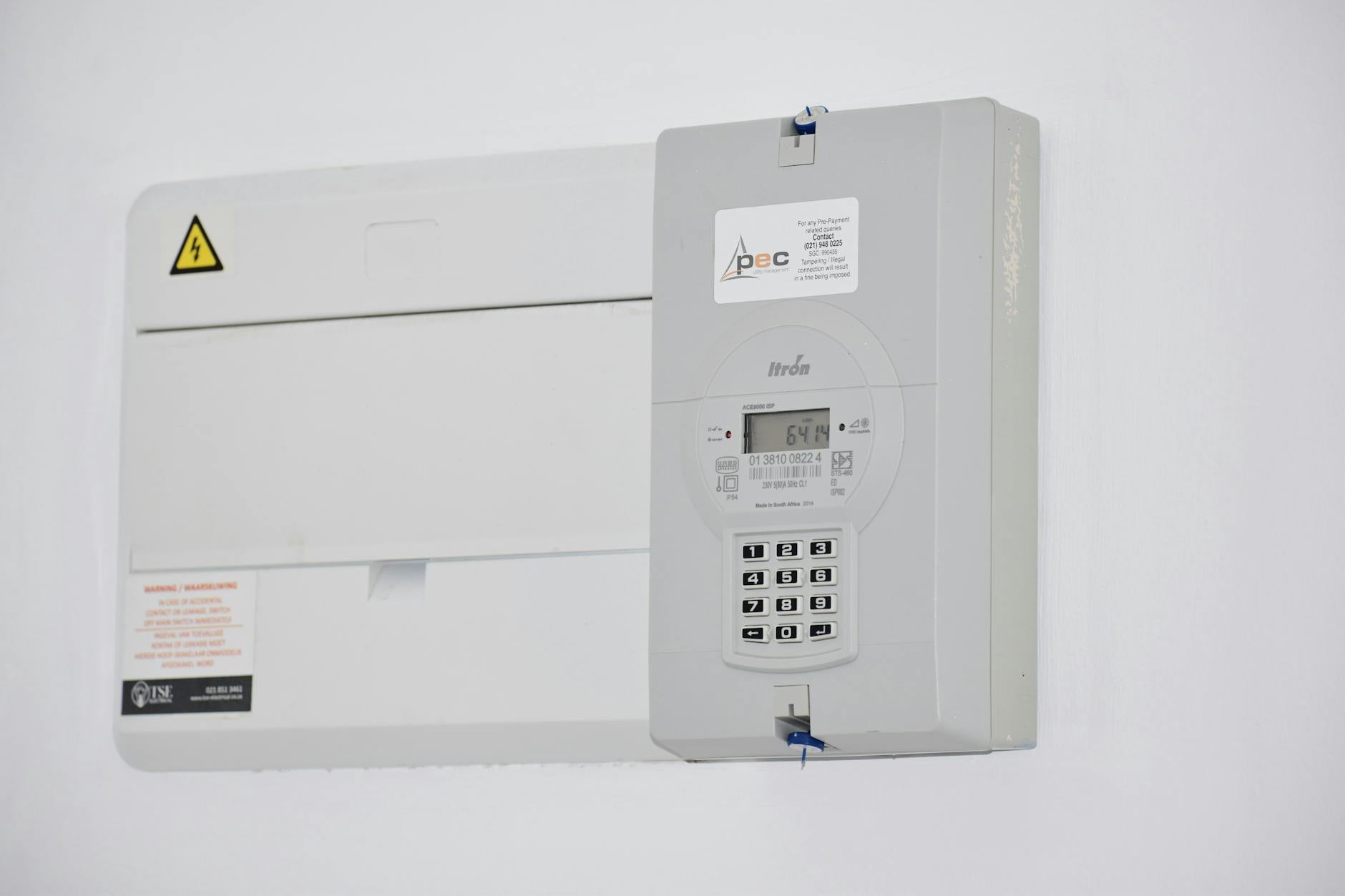
Energy Price Cap UK 2026 Explained: What It Means for Your Bills
The UK energy price cap sets maximum unit rates for electricity and gas, but it does not limit your total bill. Here is how the 2026 cap works and what it means for household budgets.

Understanding the true electricity cost per kWh in the UK for 2026 requires looking beyond the headline figure to regional variations, standing charges, and tariff structures. This guide provides the specific data needed to audit your energy bills accurately.
Discover how much American households pay for electricity in 2026, from $95 in Utah to over $215 in Hawaii, and learn practical strategies to reduce your monthly energy costs regardless of where you live.
Learning how to do a home energy audit yourself requires nothing more than a systematic approach and twenty dollars in basic supplies, revealing the same inefficiencies that professional assessments identify at a fraction of the cost.
A complete guide to average electricity bills across UK property sizes in 2026, from studio flats to five-bedroom homes, with exact figures and cost-saving strategies.
Understanding your solar panel payback period calculation helps determine whether photovoltaic installation makes financial sense for your household. This guide examines the real costs, savings variables, and maintenance factors that define your path to free electricity.
Deciphering your monthly electricity statement requires understanding kilowatt-hours, standing charges, and unit rates. This guide breaks down each component of your UK electricity bill to help you manage household costs effectively.
Standby power silently increases annual electricity costs by £50-£86. This guide examines phantom energy sources, measurement techniques, and precise elimination strategies for efficient homes.
Knowing when to replace old appliances for efficiency requires looking beyond the sticker price to running costs, repair frequency, and energy waste.
Running a home efficiently requires knowing the specific dials, temperatures, and cycles that trim consumption without replacing functioning machines. These precise adjustments reduce typical household electricity costs by $200–400 annually.