How We Test and Review Appliances Methodology

Our appliance testing prioritizes your electricity bill over flashy features. Here’s how we measure real-world efficiency and costs.
Our appliance testing prioritizes your electricity bill over flashy features. Here’s how we measure real-world efficiency and costs.

We analyse whether double glazing repays its £6,000–£10,000 installation cost through energy savings, exploring grants, property value impact, and alternatives for UK homeowners.

Breaking down the true cost of loft insulation in the UK, from DIY mineral wool rolls to professional blown-in systems, with exact savings figures and eligibility for current grants.
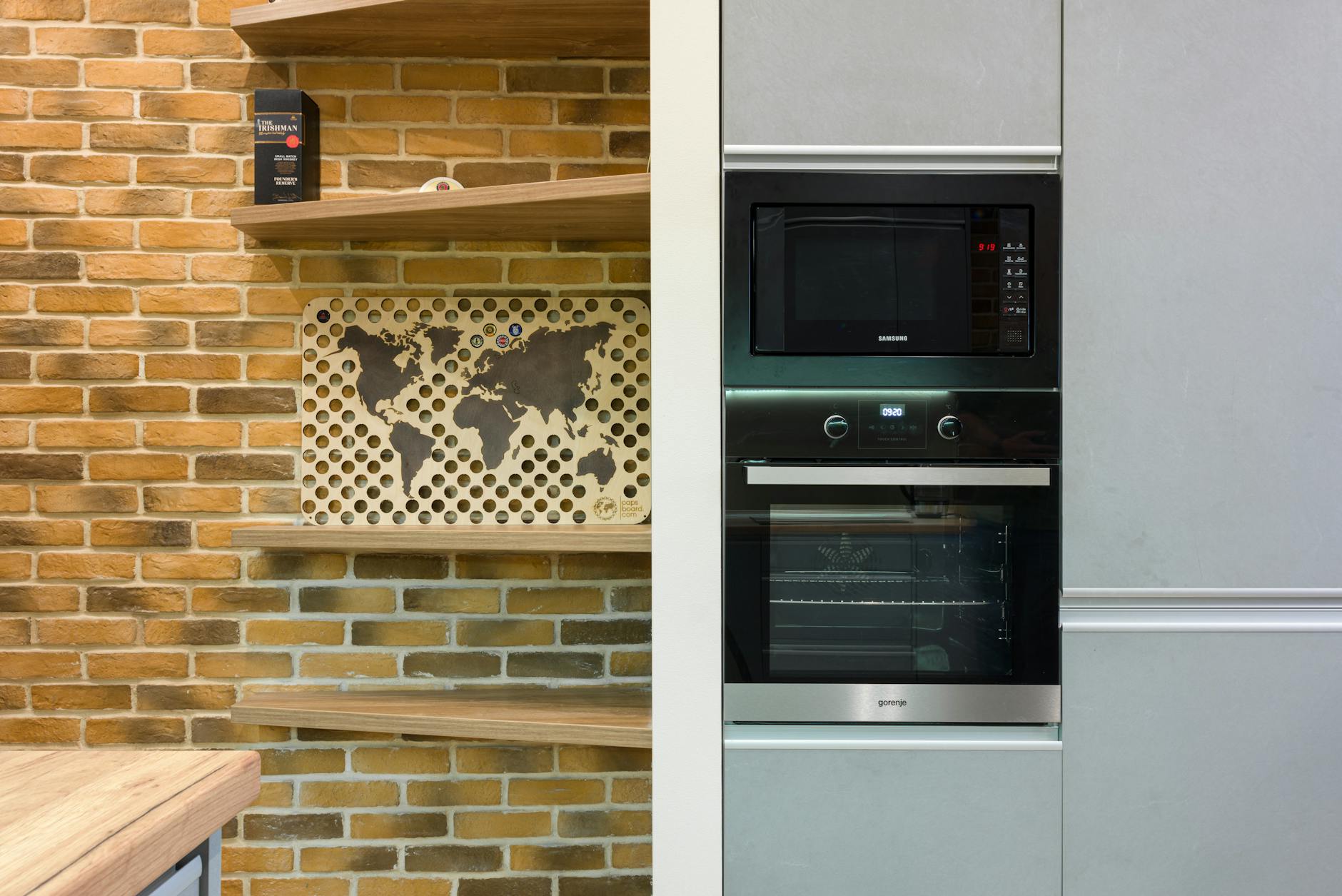
Understanding the real cost difference between microwaves and conventional ovens can reduce your annual kitchen energy expenses by up to $70 without changing how you cook.

Discover what constitutes a normal electricity bill for a 2-bedroom flat in the UK, from typical kWh consumption to practical strategies for reducing your monthly costs without compromising comfort.
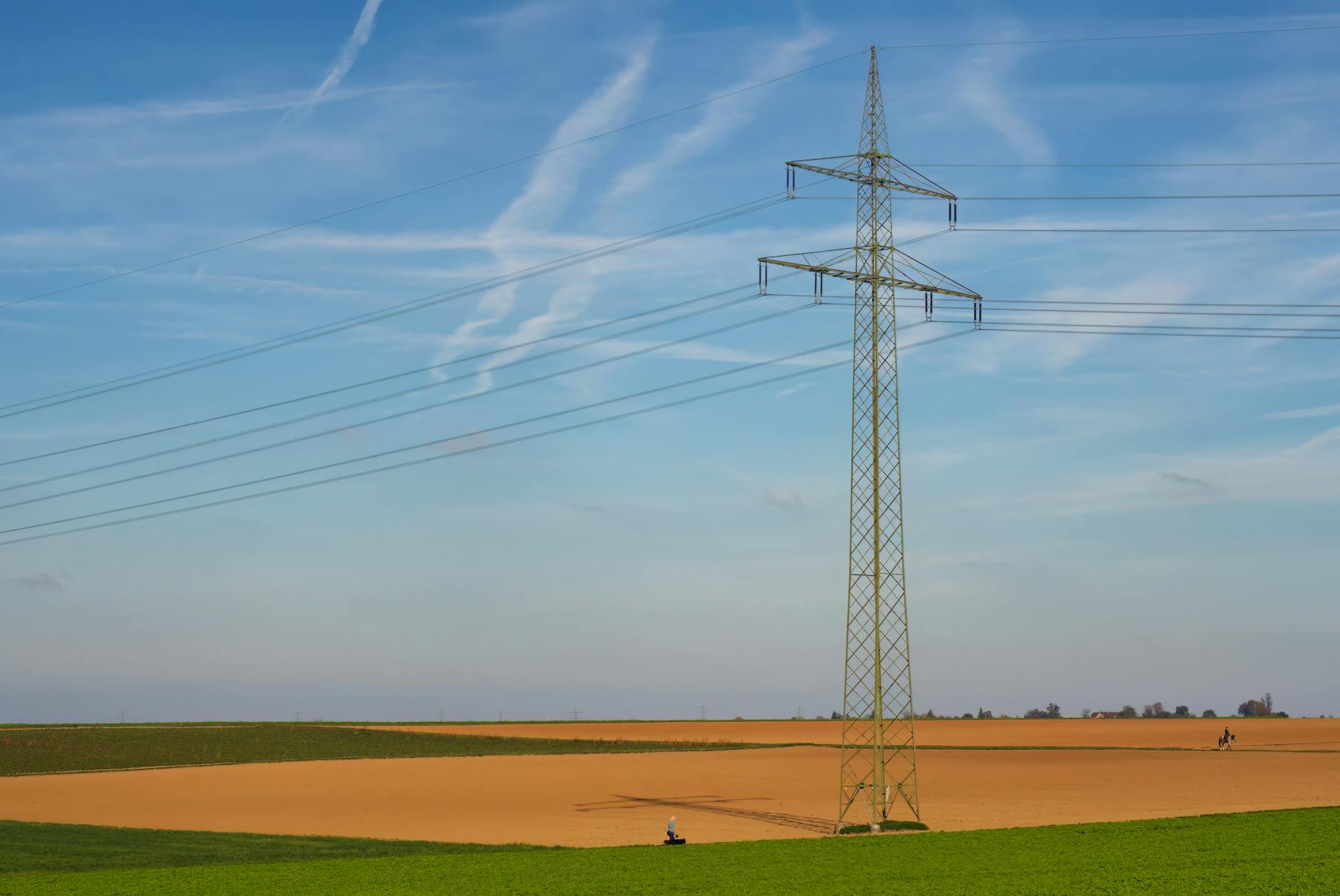
Residential electricity rates in 2026 range from 11 cents to over 40 cents per kWh depending on your state. This guide breaks down regional pricing, explains the factors driving cost disparities, and shows how to calculate your true monthly expenses.
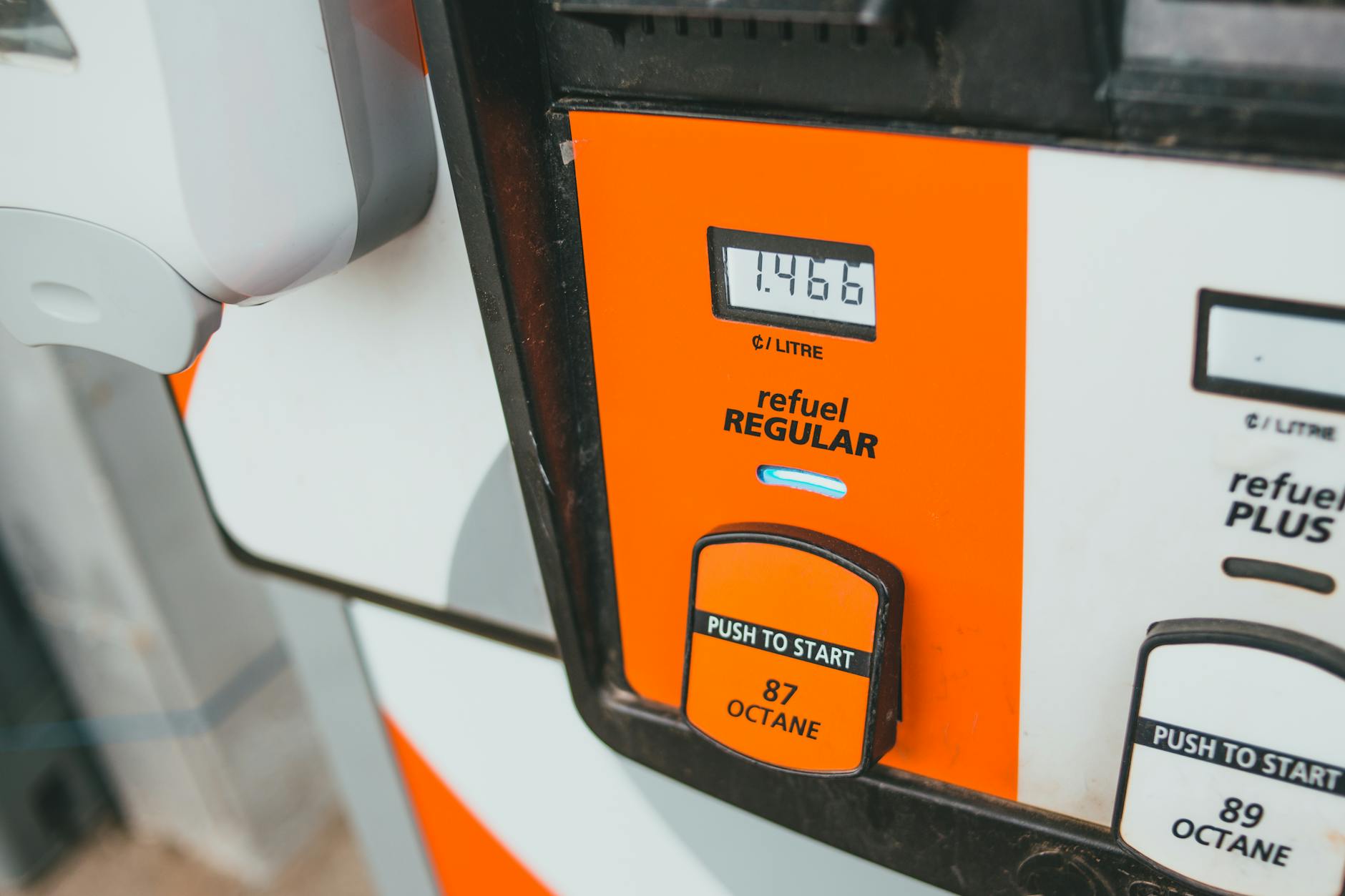
The UK energy price cap sets maximum unit rates for electricity and gas, but it does not limit your total bill. Here is how the 2026 cap works and what it means for household budgets.
Understanding the true electricity cost per kWh in the UK for 2026 requires looking beyond the headline figure to regional variations, standing charges, and tariff structures. This guide provides the specific data needed to audit your energy bills accurately.
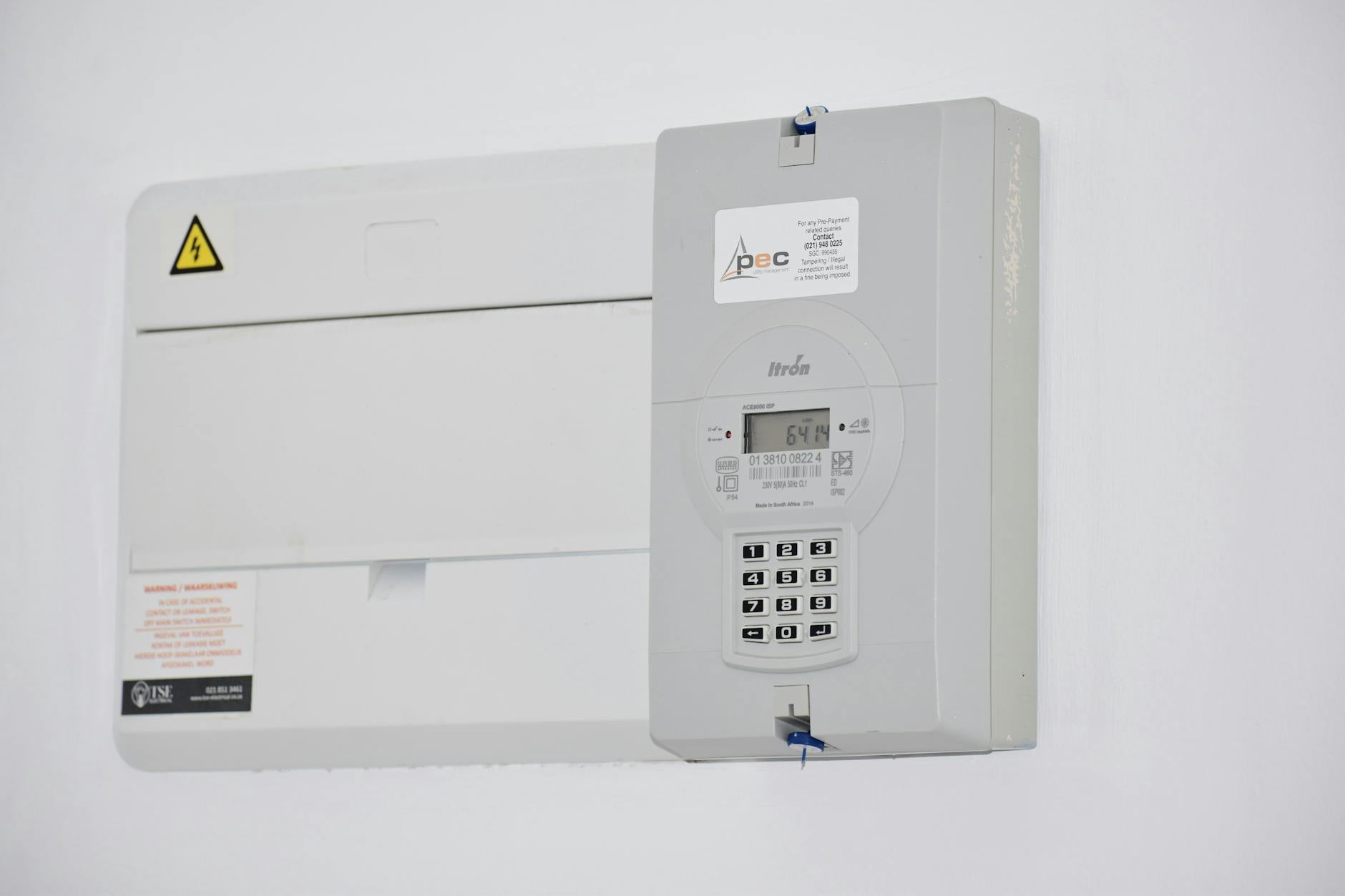
Deciphering your monthly electricity statement requires understanding kilowatt-hours, standing charges, and unit rates. This guide breaks down each component of your UK electricity bill to help you manage household costs effectively.

Running a home efficiently requires knowing the specific dials, temperatures, and cycles that trim consumption without replacing functioning machines. These precise adjustments reduce typical household electricity costs by $200–400 annually.