Is a Kitchen Island Worth It in a Small Kitchen? A Cost-Benefit Analysis
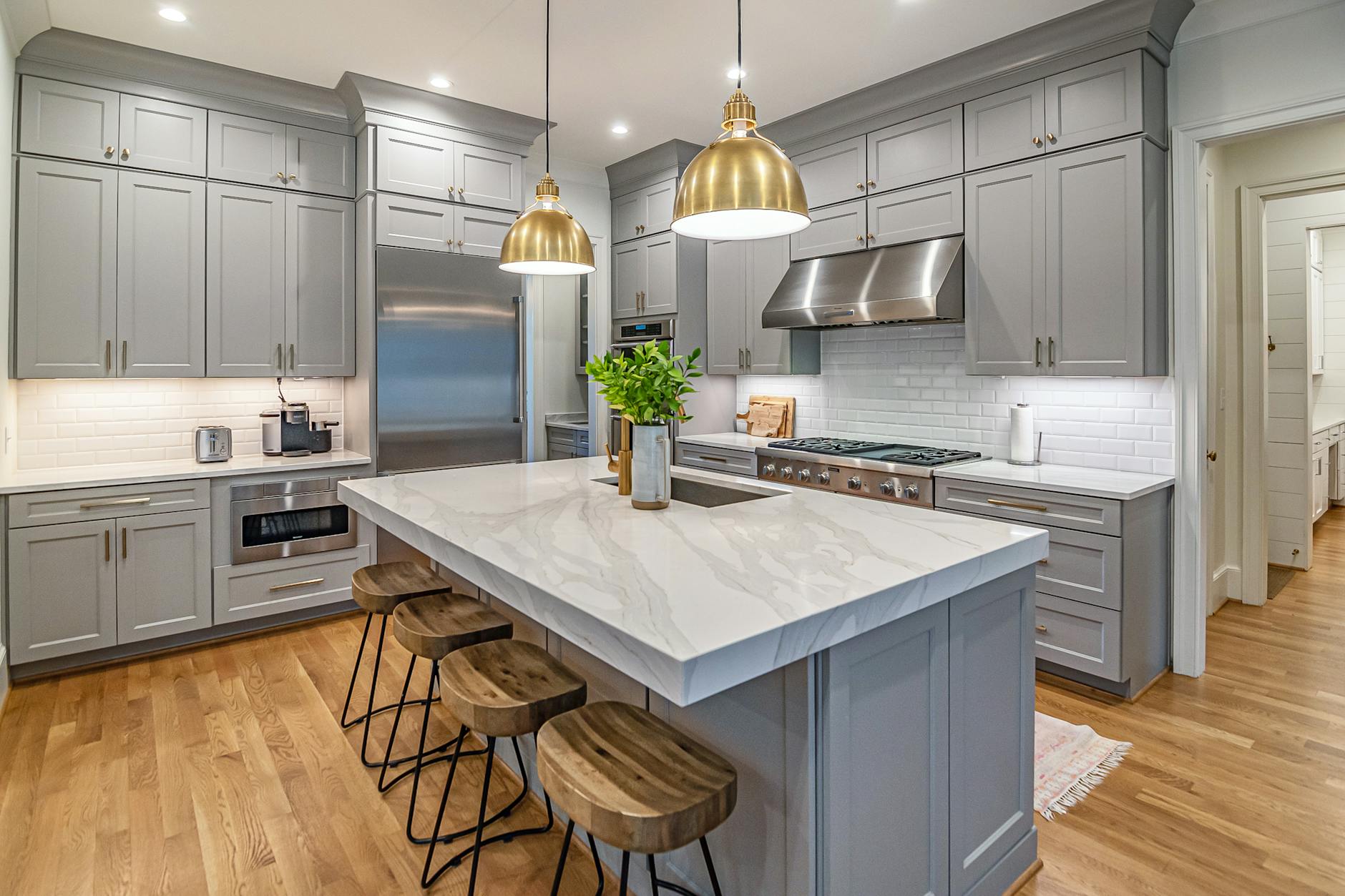
We analyze the true cost, space requirements, and workflow impact of adding an island to a compact kitchen to determine whether the investment pays off.
We analyze the true cost, space requirements, and workflow impact of adding an island to a compact kitchen to determine whether the investment pays off.

A cleaning rhythm system for kitchen maintenance reduces daily cleanup from sixty minutes to twelve through zone-based scheduling and strategic tool placement.

Proper task lighting transforms food preparation from a strain into a precise, efficient workflow. This guide examines lumens, placement, and running costs for kitchen prep zones.

Strategic countertop zoning transforms chaotic cooking spaces into efficient workstations. This guide examines how spatial organization reduces prep time, minimizes movement waste, and lowers energy consumption through logical appliance placement.
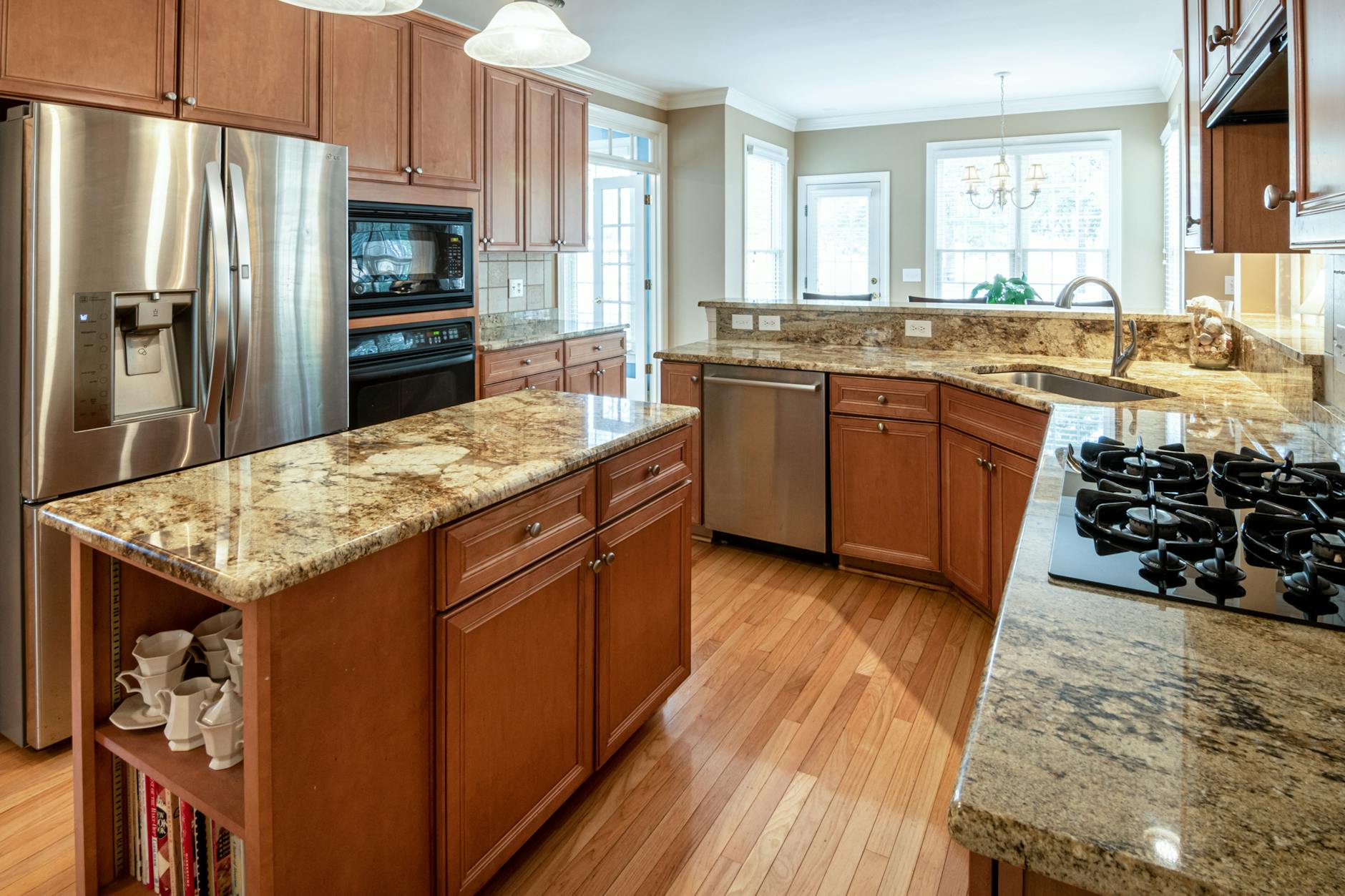
The kitchen work triangle layout explained through the lens of efficiency reveals why this century-old principle remains essential for reducing household running costs and daily fatigue.

A systematic approach to hosting dinner parties that prioritizes kitchen efficiency over last-minute scrambling. Reduce stress and waste with strategic workflow planning.
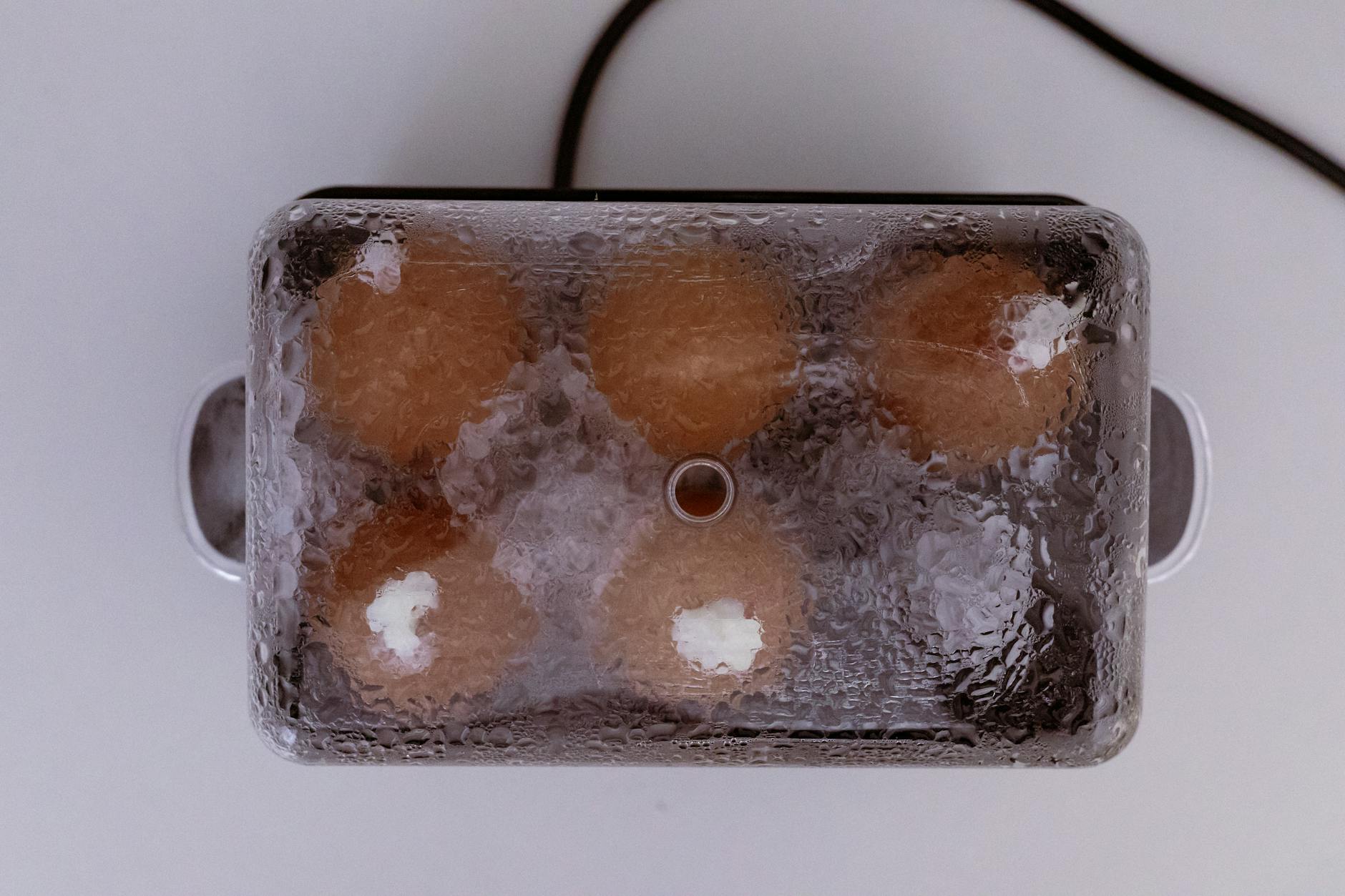
The arithmetic of kitchen consolidation requires examining not just sticker prices, but electricity consumption, replacement cycles, and the cost of compromised performance.
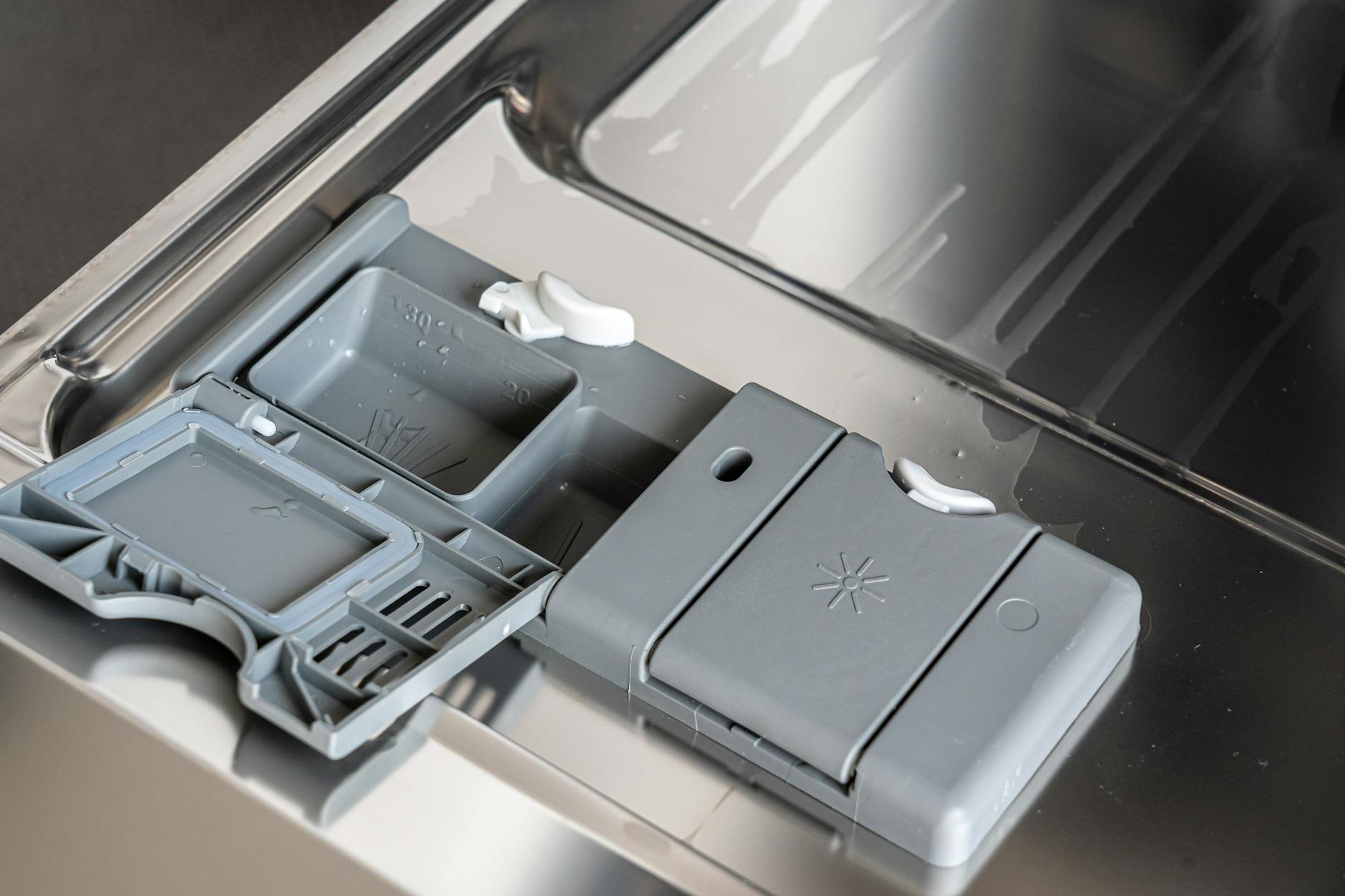
Cleaning your dishwasher filter monthly prevents costly pump failures and reduces electricity use. Here is the exact method I use to maintain peak efficiency.
Heating milk in the microwave is the most energy-efficient way to prepare a homemade latte, though it requires a manual frothing step to achieve proper microfoam.
Learn the precise temperature thresholds and vessel choices that prevent microwaved milk from curdling, while calculating the actual cost savings compared to stovetop heating.