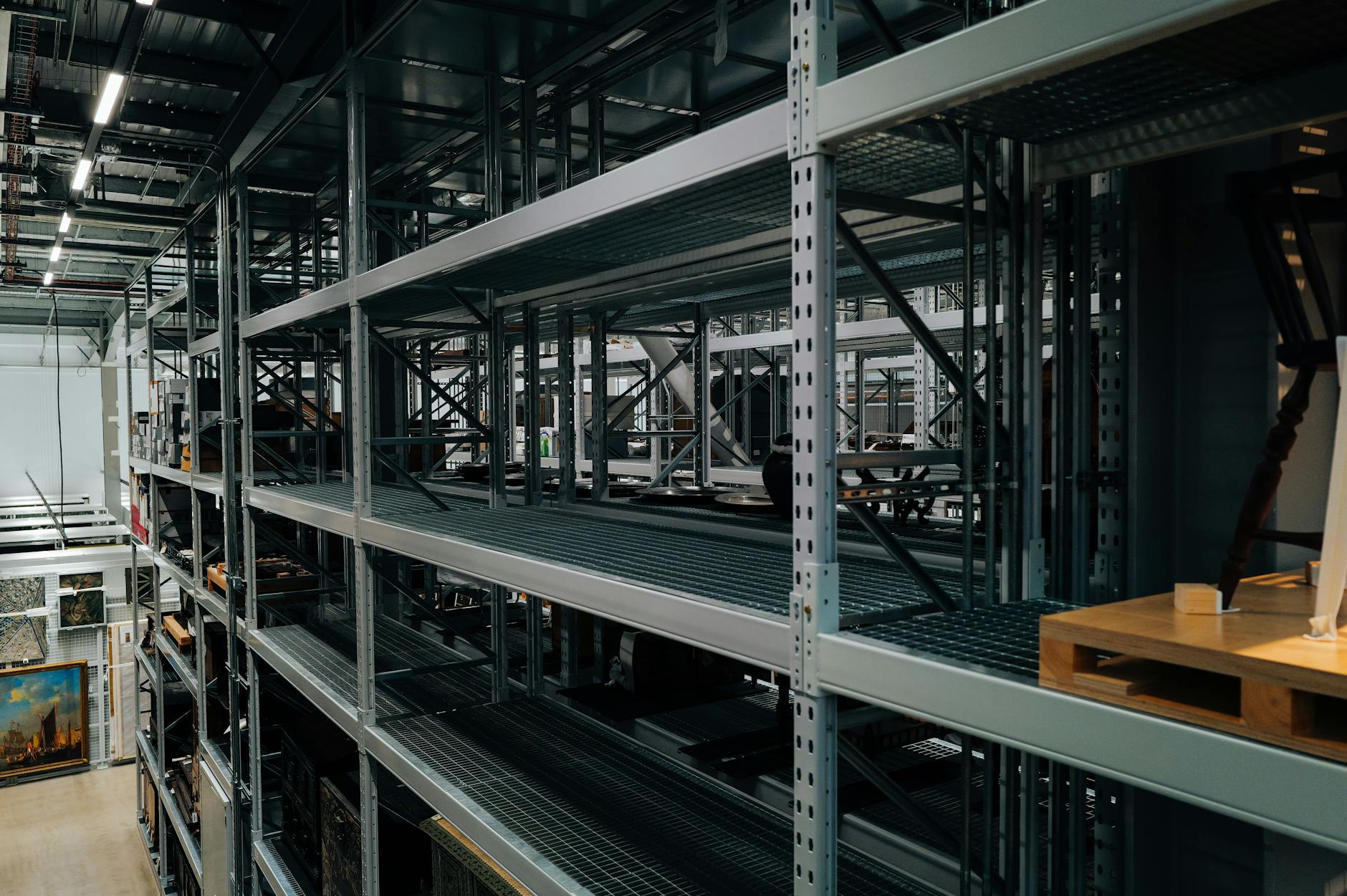
Storing seasonal belongings inefficiently costs the average household between $300 and $600 annually in damaged goods and unnecessary replacements. This seasonal storage system guide offers a methodical approach to protecting your possessions while reclaiming valuable living space. Rather than relying on haphazard cardboard boxes and inaccessible piles, a considered system creates designated harbors for winter coats, holiday decorations, and summer equipment. The objective is straightforward: minimize replacement costs, prevent climate damage, and eliminate the frustration of seasonal transitions. Whether you manage a compact apartment or a multi-story home, the principles remain identical—protective containment, logical placement, and systematic rotation.
⚡ In a Rush? Key Takeaways
- Inefficient storage costs $300-$600/year
- Protective containment prevents damage
- Logical placement saves space
- Systematic rotation reduces replacements
Seasonal Storage System Guide: Core Principles
An effective system uses climate-appropriate containers, vertical space, and inventory tracking to prevent damage and unnecessary replacement purchases.
A seasonal storage system transcends mere plastic bins. It represents a comprehensive workflow that accounts for thermal expansion, humidity fluctuations, and textile preservation. The foundation rests upon three non-negotiable pillars: protective containment that seals against moisture and pests, placement logic that prioritizes accessibility based on rotation schedules, and inventory consciousness that prevents the duplicate purchases that plague disorganized households. When winter boots remain supple and summer linens emerge crisp after months of storage, the system validates its existence beyond mere organization—it becomes financial stewardship. Consider the replacement cost of a quality wool overcoat ($200–$400) against the $25 investment in a breathable canvas storage bin with cedar blocks. The mathematics favor prevention.
How much should you budget for comprehensive storage?
| Option | Key stat | Best for |
|---|---|---|
| Entry-level polyethylene containers | $120-$180 | Basic protection |
| Mid-tier clear polycarbonate bins | $225-$375 | Impact resistance & stack stability |
| Archival-grade textile storage | $30-$50/container | Garment lifespan extension |
| Vacuum compression systems | $40-$80 | Synthetic items only |
Ancillary costs include steel shelving units ($100–$300 depending on load capacity), desiccant systems ($20–$50 annually), and labeling infrastructure ($15–$30). When evaluating these expenditures against the broader context of home organization systems, seasonal storage offers disproportionate returns through artifact preservation.
Container economics: selecting durable materials
- Polypropylene withstands -40°F to 120°F
- Avoid PVC for textile degradation
- Unbleached cotton canvas permits airflow
- Clear bins accelerate photodegradation
The hidden cost of inadequate storage
Cardboard boxes, though seemingly economical, invite disaster. They offer zero moisture barriers, attract cardboard beetles and silverfish, and collapse under humidity saturation. The average insurance deductible ($500–$1,000) far exceeds the preventive investment in proper containment. Furthermore, damaged holiday lighting requires complete string replacement ($50–$150 annually for the average household), while properly coiled and stored LED strands last twelve to fifteen years.
Where should seasonal inventory reside for optimal efficiency?
Store seasonal items in least-accessible areas first—attics for winter gear, high shelves for holiday décor—keeping prime real estate for daily essentials.
Spatial efficiency demands ruthless prioritization. Prime closet real estate—eye-level rods and floor-level accessibility—should never house items dormant eleven months annually. Instead, map your home’s storage geography by thermal and accessibility zones. Attics, experiencing extreme temperature fluctuations (summer peaks of 140°F, winter dips below freezing), suit only temperature-hardy items: artificial Christmas trees, plastic pool equipment, and synthetic holiday decorations. Natural textiles stored in unconditioned attics deteriorate
📊 Efficiency Verdict
Proper seasonal storage can save households up to $600 annually in replacement costs.