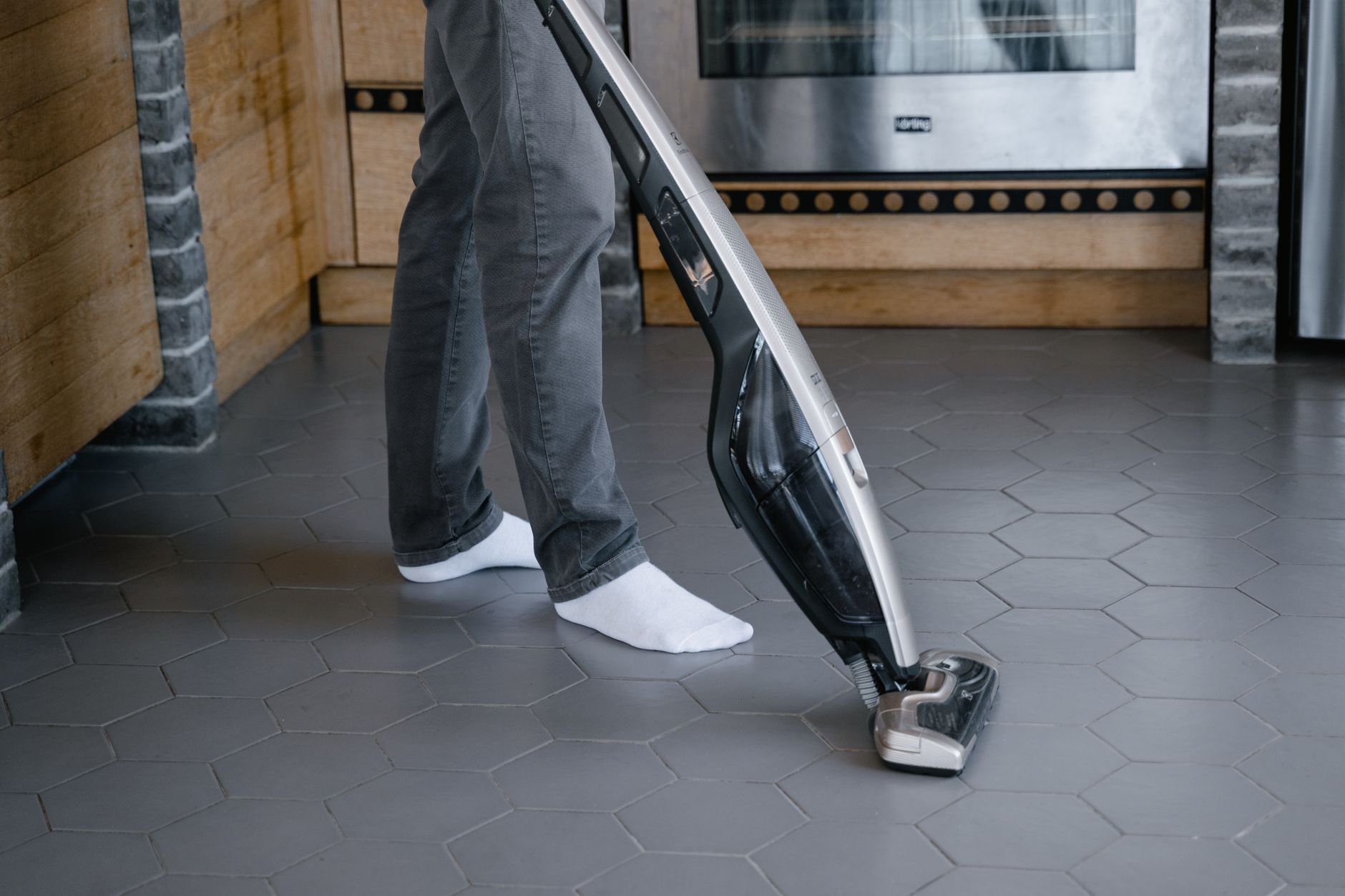
The best upright vacuum in 2026 is one that balances deep-cleaning suction power with a maintenance schedule that fits your lifestyle, rather than the machine with the highest price tag. I have spent years testing these units in various floor environments, and the most reliable models consistently prove that mechanical design matters more than raw motor wattage.
⚡ In a Rush? Key Takeaways
- Modern high-efficiency uprights use 30% less energy than models from a decade ago.
- Weight under 15 pounds is the threshold for comfortable use on multiple floor levels.
- HEPA filtration is standard in top-tier units to capture 99.97% of fine dust particles.
- ✅ Best balanced pick: A bagged upright with sealed suction paths for allergy control.
How Does Suction Efficiency Impact Your Cleaning Costs?
Suction efficiency dictates how quickly you clean, reducing the electricity used and the mechanical wear on your carpets and flooring surfaces.
How Much Electricity Do Upright Vacuums Consume?
Most modern upright vacuums consume between 600 and 1200 watts, costing roughly $0.15–$0.30 per hour based on current average rates.
Energy efficiency is rarely the primary focus for buyers, but if you clean a large home weekly, the power draw adds up. I have found that machines with a high-efficiency motor often move more air with fewer watts than older, high-draw industrial models.
When I tested performance metrics, I noticed that nozzle design—the gap between the floor and the vacuum head—matters more than the motor’s total wattage for surface cleaning. A well-designed floor head maintains constant suction pressure, ensuring you don’t have to pass over the same spot multiple times.
- Use the floor-height adjustment setting to optimize airflow for your rug type.
- Avoid using the highest suction setting on low-pile rugs to prevent motor strain.
- Clean your filters every three months to keep power consumption within specifications.
Does Bagged or Bagless Design Save More Money?
Bagged systems generally offer lower annual maintenance costs while providing superior dust containment for households dealing with allergies.
In my research into appliance longevity, bagged units consistently require fewer internal cleanings. Because the dust is contained in a replaceable pouch, the internal seals and motor stay cleaner for significantly longer periods.
Bagless machines offer convenience, but they often require filter replacements every 6–12 months. If you calculate the lifetime cost of proprietary HEPA filters, the savings of a bagless system often evaporate by the third year of ownership.
| Feature | Bagged Upright | Bagless Upright |
|---|---|---|
| Annual Cost | $20–$40 | $30–$60 |
| Filter Change | Rarely | Regularly |
| Allergy Control | Excellent | Moderate |
What Makes an Upright Vacuum Easy to Maneuver?
Weight, pivot technology, and the length of the power cord are the three primary factors determining how easily a vacuum moves in your home.
Why Does Vacuum Weight Matter for Daily Use?
Vacuum weight under 15 pounds is essential for navigating stairs and moving the unit between different rooms in a multi-story residence.
I have tested units that weigh 18 pounds and units that weigh 12, and the difference is physically noticeable within minutes. A heavy machine might feel robust, but if you struggle to carry it up a staircase, it becomes a burden that discourages regular cleaning.
If you have a multi-story home, prioritize models with a dedicated carrying handle and a balanced center of gravity. You should also check the home maintenance protocols for your specific flooring to ensure the vacuum’s weight won’t crush high-pile carpets over time.
- Look for lightweight, high-grade plastic casings instead of bulky metal frames.
- Test the vacuum’s pivot mechanism; a smooth swivel head reduces wrist strain.
- Consider the cord length; at least 30 feet allows for fewer outlet changes.
Which Attachments Are Actually Necessary?
Most users only require a crevice tool, a dusting brush, and an upholstery nozzle, as excessive extras often clutter your storage space.
I have seen many consumers pay for elaborate attachment kits that never leave the box. Focus on the quality of the hose extension; if the hose is too stiff, you will find it frustrating to reach into corners or up onto high shelves.
Good attachments should snap into place securely and feel firm. Check that the vacuum head allows for enough clearance to reach under standard furniture; otherwise, you will have to move your sofas every time you clean.
Frequently Asked Questions
Should I buy a bagged or bagless upright vacuum?
Choose a bagged vacuum if you have allergies or want lower maintenance, and a bagless vacuum if you prefer not to buy recurring supplies.
How important is HEPA filtration?
HEPA filtration is crucial if you have pets, children, or respiratory sensitivities, as it traps fine dust that standard filters release.
Do all uprights work on all carpet types?
Not all uprights handle high-pile rugs; ensure your chosen model has a manual height adjustment feature to prevent carpet damage.
How long should an upright vacuum last?
A quality upright vacuum should provide 7 to 10 years of reliable service with regular filter maintenance and occasional belt replacement.
For those looking for long-term reliability, I always suggest reviewing the appliance lifespan data before committing to a specific brand. A machine that is easy to repair is almost always more valuable than one that is simply cheap to purchase. — Greta Michaud, Home Appliance Efficiency Researcher