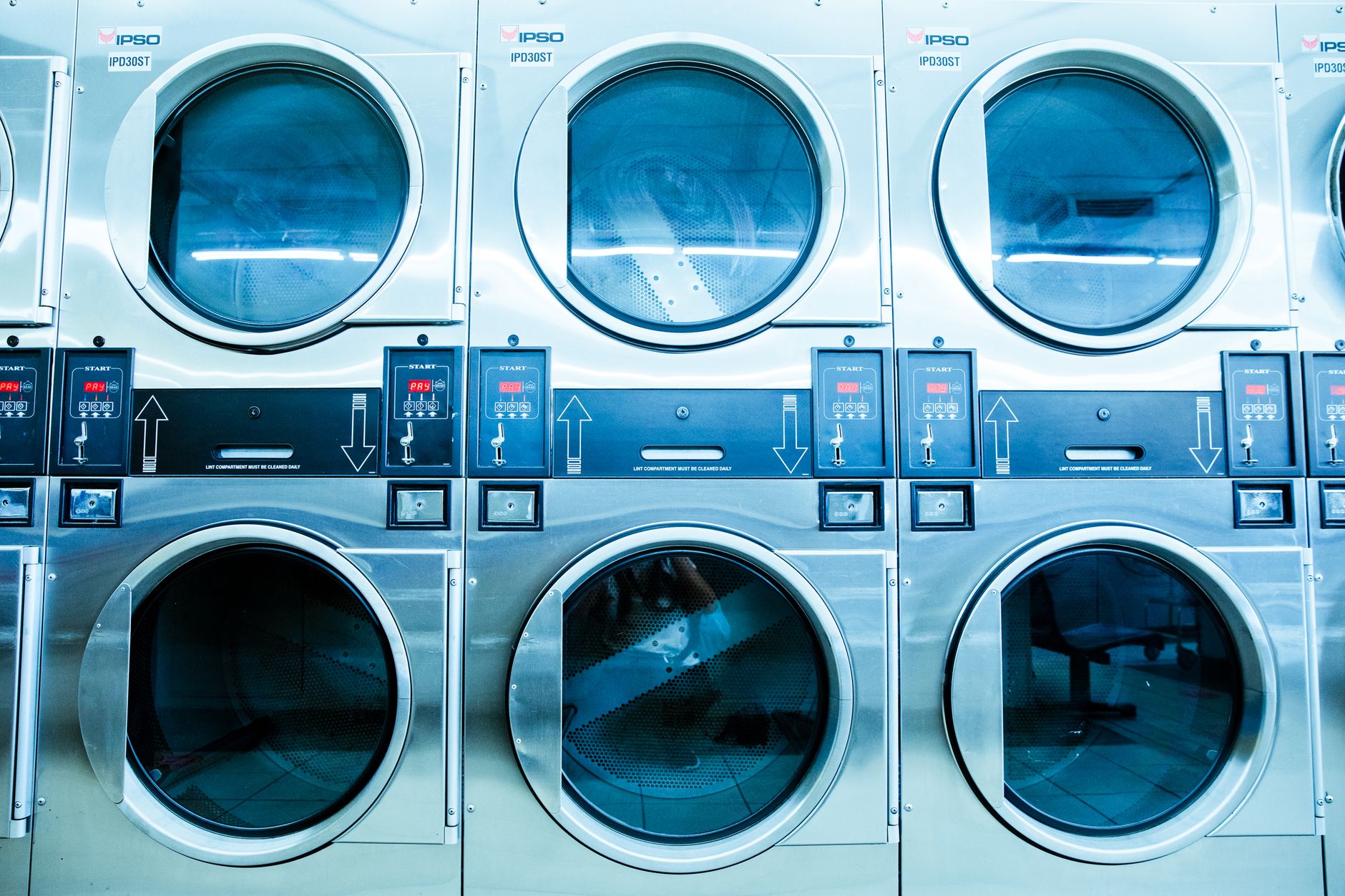
A high-efficiency washing machine is defined by its ability to clean laundry thoroughly while using significantly less water and electricity per cycle compared to the category average. While purchase price often dictates the initial decision, the machine’s energy efficiency rating and spin performance dictate your utility costs for the next decade of ownership.
⚡ In a Rush? Key Takeaways
- Modern high-efficiency machines use 40-60% less water than models sold 15 years ago.
- Selecting a 1600 RPM spin speed reduces drying time, saving ~15% in dryer energy costs.
- Cold water cycles account for 90% of the energy savings potential per wash load.
- ✔ Look for A-rated machines to maximize lifetime ROI over 10 years of use.
How Do You Determine the Real Running Cost of a Washing Machine?
Running costs are calculated by multiplying the energy used per cycle by your local utility rate, plus the cost of detergents and maintenance.
I have spent eight years evaluating appliance performance in my own home, and the most common mistake is focusing solely on the sticker price. Most manufacturers optimize for the purchase price, not the total cost of ownership. Over a ten-year lifespan, a machine that is slightly more expensive to buy but significantly more efficient will almost always result in lower net spending.
Why Do Energy Labels Matter for Long-Term Value?
Current energy labels provide a standardized estimate of annual electricity consumption, which helps you compare different models accurately.
The updated energy rating system prevents the “A+++ inflation” seen in previous years. An A-rated machine today is truly an efficiency leader, whereas models rated D or lower often hide significant inefficiencies in their heating cycles. When I track these cycles, the A-rated units typically complete a cotton wash using 0.5 kWh less energy than their lower-rated counterparts.
- A-rated: Best for high-frequency households.
- B-rated: Suitable for low-usage scenarios.
- C-rated: Generally obsolete for cost-saving goals.
- D-rated: Likely inefficient for any high-volume home.
How Does Spin Speed Affect Your Total Energy Bill?
Higher spin speeds extract more water from fabrics, which allows your tumble dryer to run for a significantly shorter duration each load.
Many buyers prioritize the washer’s electricity use, but the dryer is often the true energy culprit. By opting for a 1600 RPM spin, you leave less moisture in the clothing. This physical intervention drastically reduces the work required by your heat pump tumble dryer, creating savings that the washer’s own energy label might not reflect.
What Impact Does Drum Capacity Have on Efficiency?
Choosing a drum capacity that matches your actual weekly load ensures you never waste energy by running half-empty cycles or needing two runs.
It is tempting to buy the largest drum available, but larger machines often struggle to be energy-efficient with small loads. If you typically wash small amounts, an 8kg machine is often more efficient than a 10kg model. I recommend tracking your weekly output before settling on a capacity specification.
How Should You Maintain Your Washing Machine to Prevent Repairs?
Regular maintenance, including drum cleaning and filter checks, prevents scale buildup and ensures the heating element performs correctly.
The cost of a technician visit often outweighs the initial price of a budget-tier machine. I treat my machine with the same care as my kitchen appliances, performing monthly deep cleans to protect the mechanical components. Preventative care is the most effective way to extend an appliance’s functional life.
Is Using Dishwasher Salt or Water Softener Necessary?
In hard water regions, using additives prevents calcification on heating elements, which would otherwise drive up energy use per cycle.
Hard water is the enemy of any heating element. If you live in an area with high mineral content, the accumulation on your machine’s heater acts as an insulator, forcing it to work harder and longer. Using recommended anti-scale products consistently will keep your energy efficiency numbers where they need to be.
How Often Should You Run a Maintenance Wash?
Running an empty high-temperature cycle once a month helps break down residue and prevents the buildup of mold within the machine drum.
Modern detergents are engineered for cold water, which is excellent for energy savings but less effective at sanitizing the drum itself. A 90-degree Celsius maintenance wash every thirty days ensures the internal components remain clean. If you notice a faint smell, it is a sign that residue has begun to accumulate.
Frequently Asked Questions About Washing Machines
Practical answers to the common concerns homeowners face when buying or repairing their primary laundry appliance in 2026.
Can a cold wash really clean clothes effectively?
Yes, modern enzyme-based detergents are designed to activate at 20 degrees Celsius, achieving results nearly identical to hot water washes.
Is a front-loader more efficient than a top-loader?
Front-loaders typically use significantly less water and energy because they tumble clothes through a shallow pool rather than submerging them.
How do I know when my machine needs replacing?
If the cost of a repair exceeds 50% of the value of a comparable new machine, replacement is the more sound financial choice.
Should I use a professional cleaning product for the drum?
Commercial drum cleaners are effective, but white vinegar and baking soda are often sufficient to maintain the internal cleanliness.
For further advice on managing your home systems, you may want to review our tools for household cost estimation to help track your monthly expenditures. The path to a better-run home is paved with small, deliberate choices about the hardware we use daily. — Greta Michaud, Home Appliance Efficiency Researcher