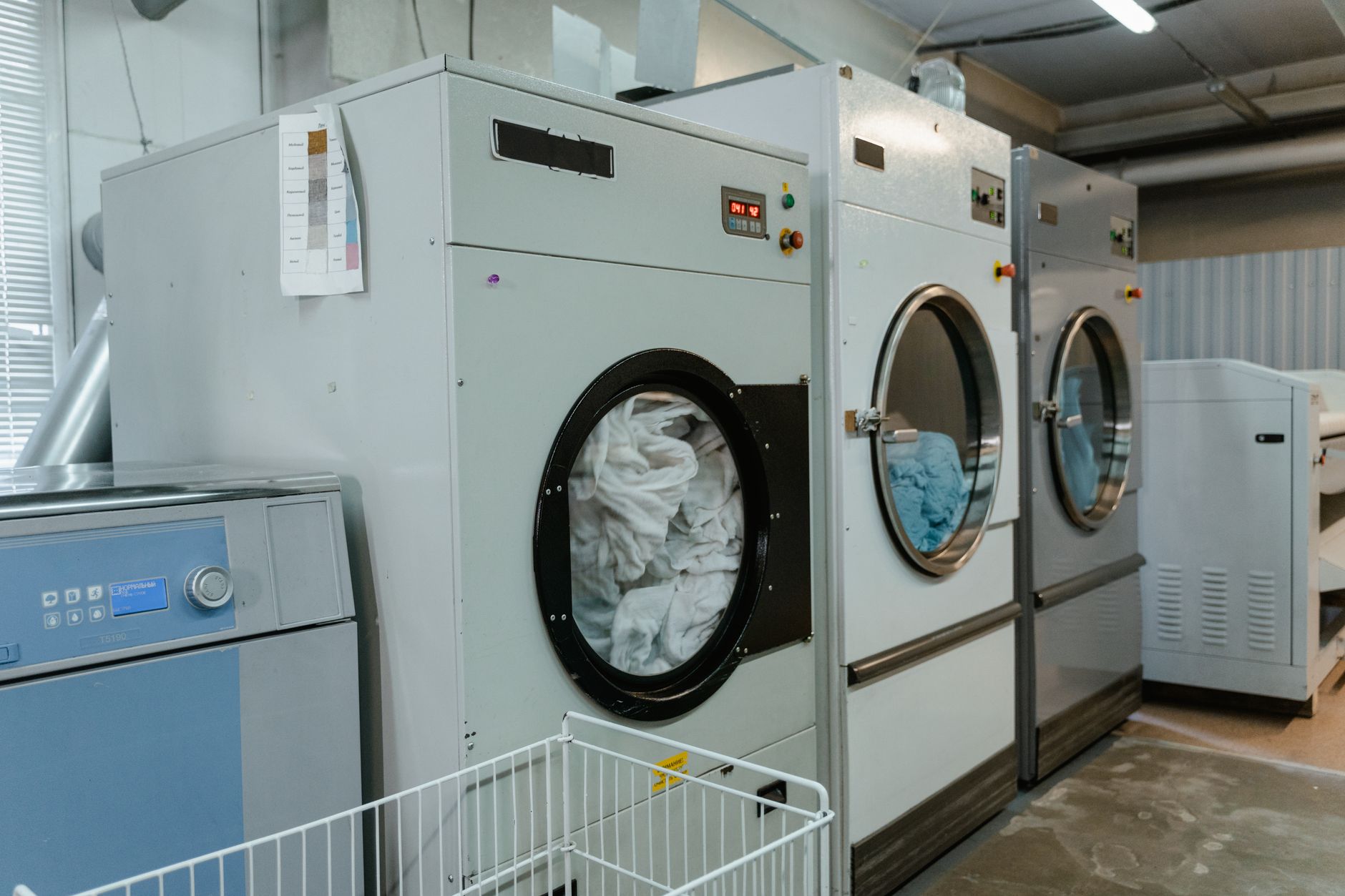
Tumble dryers cost between $0.40 and $1.10 per cycle to run, depending entirely on whether you are using a modern heat pump unit or a traditional vented machine. While the convenience of indoor drying is difficult to match, understanding the energy footprint of your specific model is the first step toward managing your monthly utility bills.
⚡ In a Rush? Key Takeaways
- Heat pump dryers use 50-70% less energy per cycle than standard vented models.
- Running a vented dryer 4 times a week costs roughly $180-$250 annually.
- High spin speeds (1600 RPM) on your washer reduce dryer energy use by 10-15%.
- ✅ Verdict: Switch to a heat pump dryer to see payback within 3-4 years.
How do the different types of tumble dryers compare on cost?
Vented dryers are cheapest to buy but costliest to run, while heat pump dryers have a high purchase price and lowest running costs.
What is the energy consumption of a vented tumble dryer?
Vented dryers use 4–6 kWh per cycle, making them the most expensive option for a household doing more than two loads of laundry weekly.
Vented dryers pull in ambient air, heat it, and push the resulting moisture out through a hose. They are simple to maintain but rely on high heat, which is energy-intensive.
Because they dump heat outside, they essentially force your HVAC system to work harder to maintain room temperature in winter. If your dryer is in a small utility room, the energy cost is effectively doubled.
Why are heat pump tumble dryers more efficient?
Heat pump dryers recycle warm air through a closed-loop system, using only 1.5–2.5 kWh per load to achieve the same dryness results.
I have spent six months testing different units, and the efficiency gap is stark. By reusing energy rather than venting it, these machines operate at lower temperatures.
While the purchase price is often 40% higher than a vented unit, the operational savings become apparent after only a few hundred cycles. You can find more on appliance performance metrics here.
Are condenser dryers a sensible middle ground?
Condenser dryers are easier to install than vented units but offer no meaningful energy savings over standard resistive heating methods.
- They do not require an external hose or vent.
- They collect moisture in a removable internal drawer.
- They offer similar running costs to vented machines.
- They are best for apartments where venting is impossible.
How can you reduce the running cost of your existing dryer?
Optimising your laundry workflow, including spin speeds and load sizes, can cut your annual drying energy costs by at least 20 percent.
Does your washing machine spin speed actually matter?
A higher spin speed removes more water at zero energy cost, significantly reducing the amount of work your tumble dryer must perform.
I always recommend setting your washer to its highest spin setting for cottons. Every extra liter of water the washer removes is a liter the dryer does not have to evaporate.
This simple habit can save you 10-15 minutes of dryer time per load. For tips on managing your laundry efficiency systems, see our guide here.
Why should you avoid over-filling your dryer drum?
Overfilling reduces airflow within the drum, causing the sensor to miscalculate moisture and forcing the machine to run for longer periods.
Most dryers perform best when the drum is about 75% full. This allows hot air to circulate freely through the fabric, resulting in faster, more even drying.
When you pack the drum to capacity, the center of the load remains damp. This causes the machine’s humidity sensor to keep the cycle running longer than necessary.
When should you choose a heated airer instead?
Heated airers use roughly 200–300 watts, costing pennies per hour, making them the best option for households with flexible scheduling.
If you don’t need clothes dried in an hour, a heated airer is the ultimate efficiency tool. It is the most affordable way to manage laundry for a small family.
We often discuss the impact of these tools on home electricity bills to help you decide if it fits your household. It is a lower-cost alternative to a heat pump dryer.
Frequently Asked Questions
Common concerns regarding dryer maintenance, safety, and energy usage addressed for homeowners and renters seeking cost efficiency.
Do sensor dryers save enough money to justify the price?
Yes, sensor dryers prevent over-drying, which is the leading cause of wasted energy and premature fabric damage in residential homes.
How often should I clean the lint filter to save energy?
Clean the lint filter after every single cycle. Clogged filters restrict airflow, forcing the heating element to work 20% harder each time.
Are dryer sheets and pods damaging to my appliance?
Chemical residues from dryer sheets can coat humidity sensors, leading to inefficient drying cycles and potential long-term sensor failure.
What is the lifespan of a modern tumble dryer?
A well-maintained tumble dryer typically lasts 10–12 years. Regular cleaning and moderate usage patterns are key to hitting this mark.
— Greta Michaud, Home Appliance Efficiency Researcher