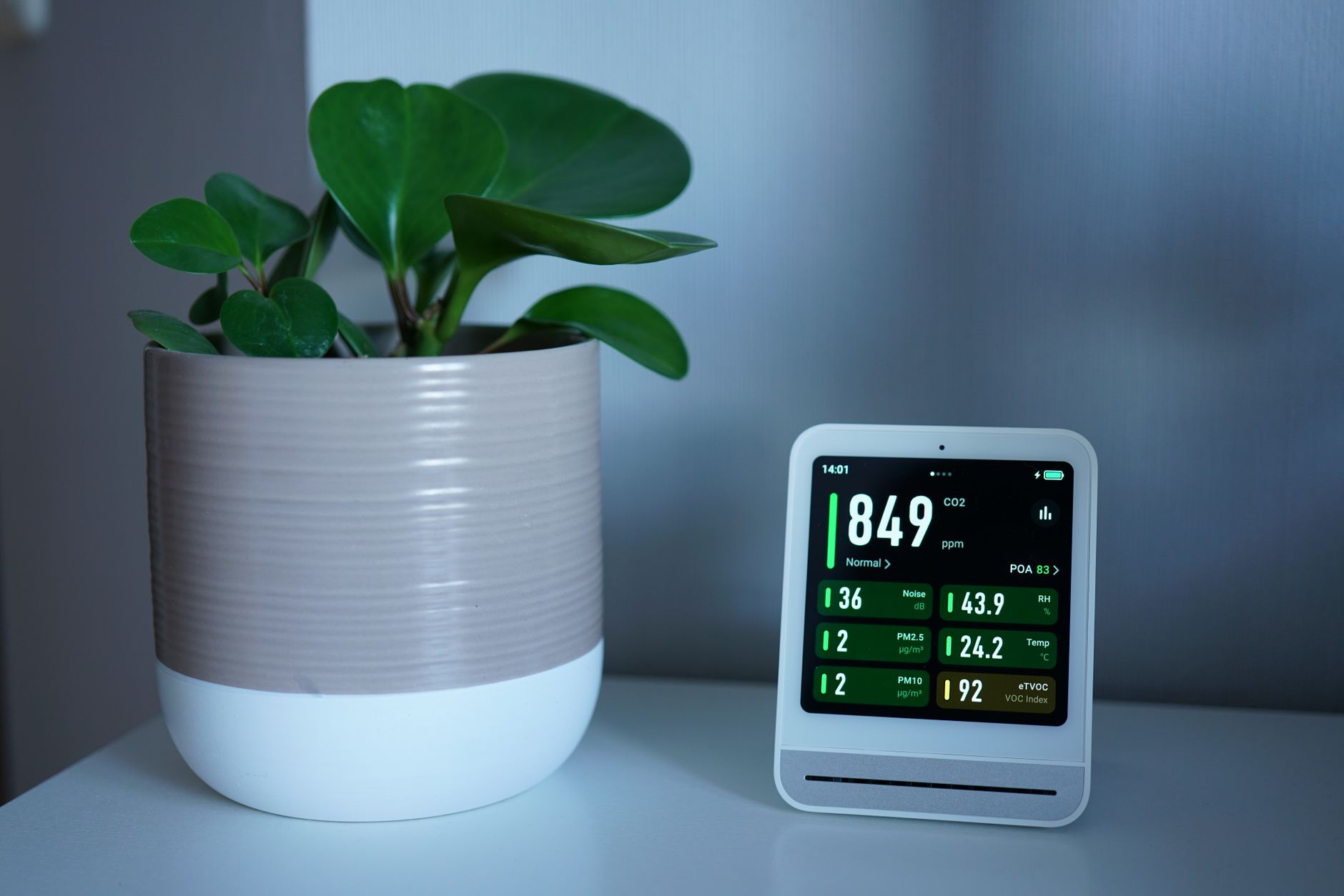
Air purifiers are genuinely effective at reducing airborne particulates like dust, pollen, and pet dander, but they rarely solve deeper ventilation or humidity issues in a home. While they can significantly improve air quality in a closed space, they represent an ongoing energy cost that homeowners should consider before purchasing.
⚡ In a Rush? Key Takeaways
- Standard HEPA purifiers consume 20W to 100W depending on fan speed settings.
- Running a unit 24/7 costs approximately $30–$80 per year in electricity.
- Filters require replacement every 6 to 12 months, adding $40–$120 annually.
- ✅ Best value: Use purifiers only in occupied rooms to reduce total energy waste.
How Much Does an Air Purifier Cost to Run Annually?
Running an air purifier costs between $30 and $90 per year in electricity, based on average US rates and typical 24/7 fan usage.
Is the electricity consumption of an air purifier high?
Most modern air purifiers use less than 60 watts on medium settings, which is comparable to running a single incandescent light bulb.
Energy usage is the primary running cost factor for air purifiers. Because they need to move air constantly to be effective, their power draw is continuous rather than burst-based. Most units use DC motors which are significantly more efficient than older AC motors found in appliances from a decade ago.
- Low setting: 5W–15W
- Medium setting: 20W–50W
- High setting: 60W–100W
What is the hidden cost of filter replacements?
Filter replacement costs range from $40 to $120 per year, as genuine HEPA media must be swapped regularly to maintain airflow efficiency.
The sticker price of the device is often secondary to the long-term cost of proprietary filters. When a filter becomes clogged with dust and dander, the motor must work harder to push air through, which actually increases energy consumption over time.
| Filter Type | Typical Life | Estimated Cost |
|---|---|---|
| HEPA Primary | 6-12 months | $40 – $80 |
| Carbon Pre-filter | 3-6 months | $20 – $40 |
How noisy are air purifiers?
Most air purifiers operate between 20 dB on low and 55 dB on high, comparable to a whisper or a refrigerator hum.
Noise level is an important consideration, especially for bedrooms or home offices where continuous operation is desired. The sound originates from the fan motor and airflow; higher fan speeds increase decibels, while many modern units use brushless DC motors and aerodynamic housing to keep noise low.
When shopping, look for the manufacturer’s specified noise rating (often given in dB(A)) and check user reviews for real‑world perception. Units with a “sleep” or “night” mode typically run under 30 dB, making them suitable for use while sleeping.
| Setting | Typical Noise Level (dB) | Perception |
|---|---|---|
| Low / Sleep | 20‑30 | Whisper‑quiet, barely noticeable |
| Medium | 30‑45 | Quiet background, similar to a library |
| High / Turbo | 45‑55 | Noticeable hum, akin to a refrigerator or soft conversation |
Do Air Purifiers Improve Home Health and Efficiency?
Air purifiers improve indoor air quality by capturing 99.97% of particles, but they do not replace the need for regular home cleaning systems.
Can an air purifier reduce the frequency of dusting?
Air purifiers capture a portion of household dust, but they do not eliminate the need for regular vacuuming or dusting of surfaces.
While it is tempting to view a purifier as a robotic maid for your dust, it only captures particulates that are currently airborne. Heavier dust particles settle on floors and furniture before the fan can draw them in. For a cleaner home, focus on home organisation and cleaning systems that target settled debris effectively.
Does indoor air quality affect heating and cooling efficiency?
Clean filters in your HVAC system are more important than air purifiers for maintaining home heating and cooling energy efficiency levels.
If you are concerned about air quality affecting your home’s mechanical health, check your central furnace filters first. Keeping your main home maintenance schedule up to date is more impactful than adding a standalone device to a room with poor airflow.
Are Air Purifiers Worth It for Your Specific Needs?
Air purifiers are worth the investment for allergy sufferers or pet owners, provided you calculate the total cost of ownership beforehand.
How do I choose the right size for a room?
Always select an air purifier based on the CADR rating and room square footage to ensure the device is not oversized or undersized.
A unit that is too small for a room will need to run on ‘high’ constantly, which increases noise and energy use. If you want to optimize your kitchen workflow or living areas, match the device’s Clean Air Delivery Rate (CADR) to your specific room size for best results.
What is the verdict for most homeowners?
For most households, one or two units in primary bedrooms provide the best balance of health benefits and reasonable energy expenditure.
Frequently Asked Questions
Do air purifiers need to run all day?
No, you can run them on low settings throughout the day and use ‘auto’ modes to adjust based on detected particle levels in the room.
Can I wash my air purifier filter?
Only if the filter is explicitly labeled as washable, otherwise washing HEPA media will permanently destroy its ability to capture dust.
Are ozone-generating purifiers dangerous?
Yes, ozone generators produce harmful lung irritants and should be avoided in favor of mechanical HEPA-based filtration systems.
— Greta Michaud, Home Appliance Efficiency Researcher