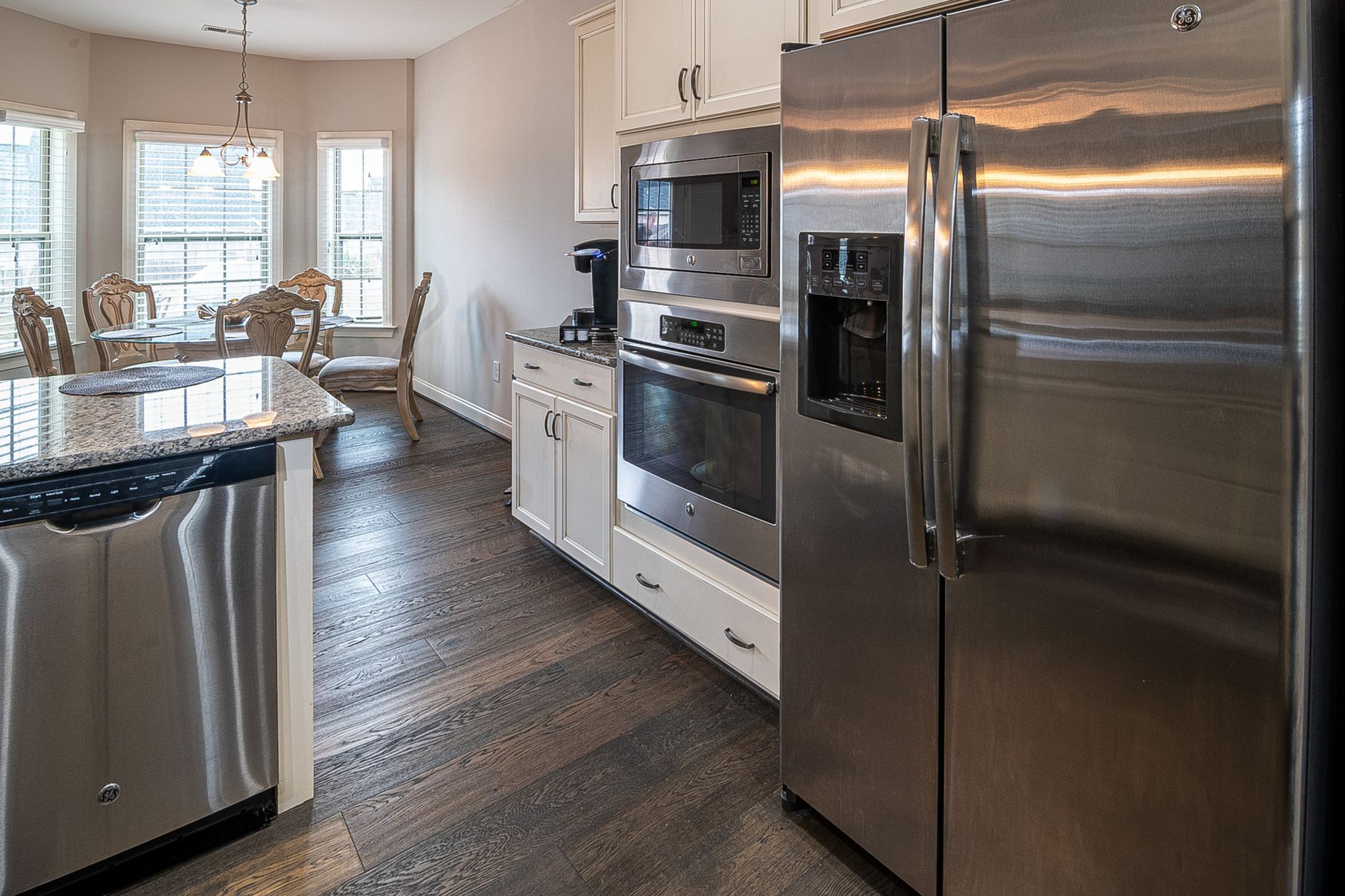
Home appliances are permanent financial commitments that consume a significant portion of your annual utility budget through electricity and water usage. The initial purchase price is only the entry point, while the ongoing running cost determines the true value of your investment over a ten-year lifespan.
⚡ In a Rush? Key Takeaways
- An average energy-efficient refrigerator costs roughly $45 per year to operate in 2026.
- Switching to cold-water laundry cycles can reduce washer energy demand by up to 60%.
- Standby power in entertainment and kitchen zones can add $150 to your annual energy bill.
- Lifetime running costs often exceed the purchase price for major laundry and kitchen units.
- ✅ Prioritize machines with high energy efficiency ratings to ensure long-term cost savings.
How Do You Calculate the Real Cost of Your Appliances?
Calculate lifetime cost by adding the purchase price to the estimated annual energy usage multiplied by your local kWh electricity rate.
Most households evaluate an appliance based on its sticker price, yet the electricity consumed during its operation is a hidden, recurring tax. To find the real cost, you must look at the annual kilowatt-hour (kWh) consumption listed on the EnergyGuide label and multiply that figure by your utility’s rate per kWh.
Why Does the EnergyGuide Label Matter for Your Budget?
EnergyGuide labels provide standardized testing data allowing direct efficiency comparisons between different appliance models and brands.
The EnergyGuide label is your primary tool for filtering out inefficient machines that would otherwise increase your monthly bills. These labels simulate average use cases, though your individual appliance performance will vary based on your specific daily habits.
- Compare kWh usage across at least three models before finalizing a purchase.
- Note the estimated yearly operating cost stated on the label for quick ranking.
- Check for local rebate eligibility which can offset the premium for higher efficiency.
How Does Electricity Pricing Affect Your Appliance Selection?
High electricity rates make premium, high-efficiency appliances pay for themselves faster through lower monthly utility bill deductions.
If you live in a region with high electricity costs, the financial case for a top-tier machine becomes undeniable. A machine that saves 150 kWh per year pays back the price difference of a premium model significantly faster than in lower-cost markets.
| Appliance Type | Avg Annual kWh | Est. Annual Cost |
|---|---|---|
| Refrigerator | 400 | $52 |
| Dishwasher | 250 | $32 |
| Clothes Dryer | 900 | $117 |
Which Home Appliances Are the Most Expensive to Run?
Heating and cooling appliances, including dryers and water heaters, represent the highest energy expenditures in most modern households.
The appliances that generate heat or move large volumes of air are inherently more demanding on your home energy efficiency. These units operate on higher wattages and often run for extended durations during a typical week.
Are Tumble Dryers the Biggest Energy Culprits?
Vented tumble dryers consume massive amounts of energy, making heat pump models the most efficient choice for heavy laundry users.
Traditional vented dryers draw huge amounts of electricity to heat air that is then exhausted outside. Switching to a heat pump dryer significantly lowers your per-cycle cost while being much gentler on your clothing fibers.
- Use moisture-sensor cycles instead of time-based drying to prevent over-drying.
- Clean the lint filter after every single load to maximize airflow efficiency.
- Consider a heated clothes airer for supplemental drying needs.
Why Are Refrigerators Often Overlooked in Energy Planning?
Refrigerators run 24 hours a day, meaning even small efficiency differences compound into major costs over a fifteen-year lifespan.
Because a refrigerator never cycles off, its continuous draw makes it the backbone of your base electrical load. An inefficient fridge is effectively a silent, perpetual drain on your household finances that persists for nearly two decades.
How Can You Lower Appliance Costs Without Upgrading?
Small changes to your daily usage habits and better maintenance practices can reduce appliance energy consumption by 15-20 percent.
You do not always need a new machine to realize significant savings; often, the way you interact with your existing fleet is the variable. Simple, consistent adjustments to your routine yield measurable impacts on your electricity meter.
Can Maintenance Habits Extend Appliance Longevity and Efficiency?
Regular cleaning of coils, filters, and seals ensures that motors run cooler and require less power to reach optimal performance.
Dust buildup on refrigerator condenser coils forces the compressor to run longer and work harder to achieve the same internal temperature. Similarly, neglecting dishwasher spray arm maintenance restricts water flow and requires longer wash cycles to achieve cleaning results.
- Vacuum refrigerator coils at least once every six months to improve heat dissipation.
- Clear debris from dishwasher filters to maintain proper water pressure and cycle efficiency.
- Inspect laundry door seals for gaps that allow conditioned air to escape during cycles.
Does Standby Power Really Affect Your Monthly Electricity Bill?
Always-on appliances and devices in standby mode create a phantom load that accounts for up to 10 percent of home energy consumption.
Many modern appliances remain partially active to support digital clocks, remote sensors, and instant-start features. Using smart power strips can automatically cut this phantom load when you are not actively using the equipment.
Frequently Asked Questions
Is it better to repair or replace an old appliance?
Replace if the repair cost exceeds 50 percent of a new unit price or if the machine is over 10 years old and consumes excessive power.
Do energy-saving modes actually save money?
Yes, eco-modes typically reduce water heating and spin speeds to lower energy use by 20 to 40 percent per standard cycle.
How do I find my appliance energy usage?
Check the yellow EnergyGuide label or use a plug-in energy monitor to measure the real-time electricity draw of specific appliances.
Running a home efficiently requires moving beyond purchase prices to consider the lifetime impact of every unit you bring through the door. By focusing on kWh data and maintenance, you gain control over your household utility costs rather than simply reacting to them. — Greta Michaud, Home Appliance Efficiency Researcher