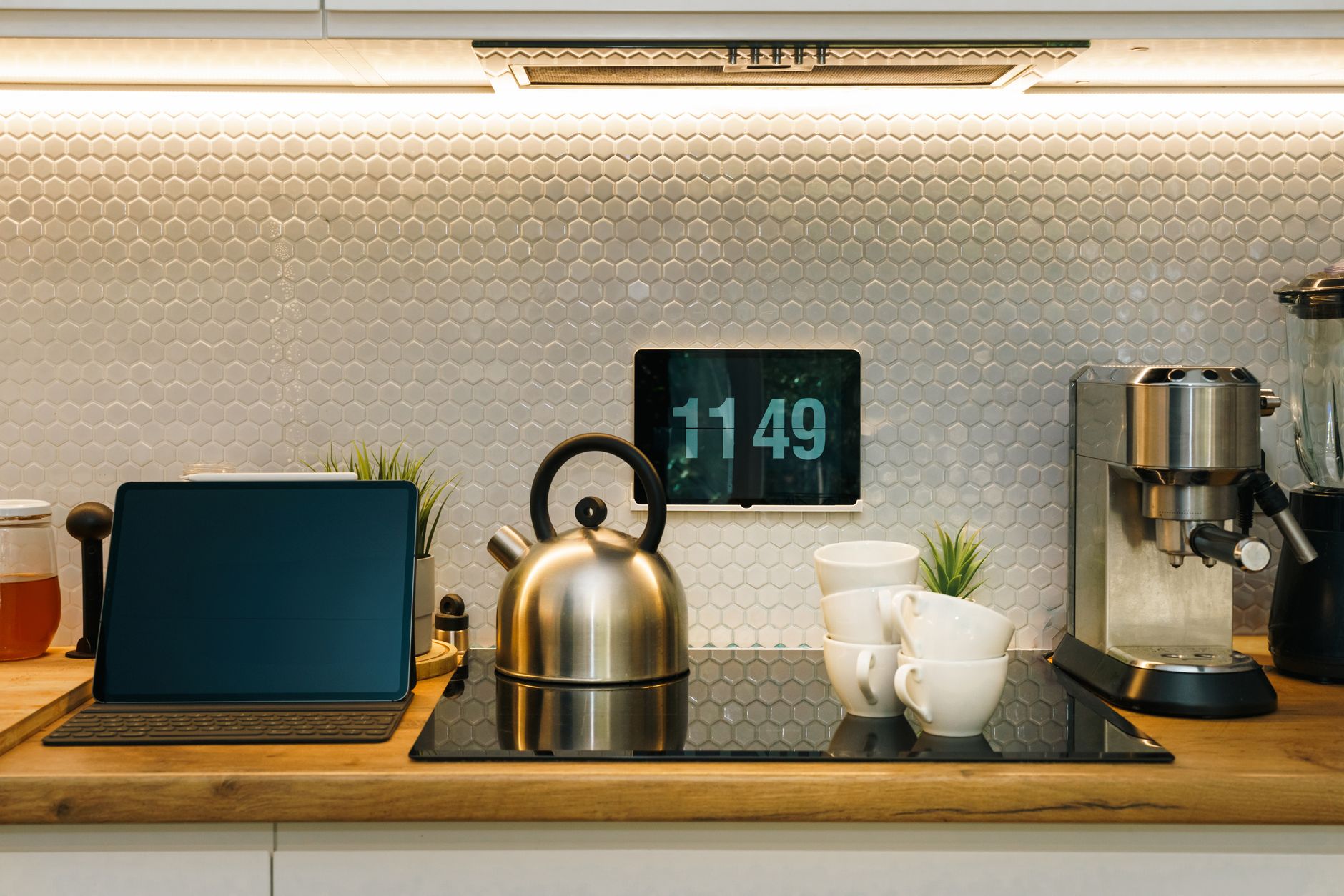
Food waste is an escalating household problem, with many families discarding significant amounts of edible food each week. As technology infiltrates every aspect of our lives, smart kitchen devices claim to offer solutions to this costly issue. The question then becomes: can these devices genuinely make a difference in your food waste footprint and, critically, reduce your monthly outgoings?
⚡ In a Rush? Key Takeaways
- Professional food waste tracking systems like Orbisk report up to 30% reduction in food waste for commercial kitchens.
- Household smart fridges with internal cameras can save 5-10% on grocery spending by preventing duplicate purchases.
- Compost machines reduce landfill waste by converting 90% of food scraps into garden-ready material.
- Energy-efficient dishwashers use 6 gallons of water per cycle, saving 9-21 gallons over handwashing a similar load.
- ✅ Best value: Focus on smart inventory tracking and efficient cooking methods for measurable cost savings.
How Do Smart Devices Help Track and Reduce Food Waste?
Smart devices primarily aid waste reduction by providing clear data on what food is being discarded, enabling informed purchasing and consumption patterns.
Can Smart Food Waste Trackers Identify Financial Losses?
Yes, dedicated food waste trackers, initially designed for professional kitchens, precisely quantify discarded items to reveal direct financial losses.
Observing the practices in commercial settings often sheds light on potential innovations for the home. Professional kitchens, which face significant financial pressure from food waste, have embraced sophisticated tracking systems. Companies like Orbisk and SmartKitchen employ automated solutions to meticulously monitor and record every item of food that is discarded. In my own observations, optimizing kitchen workflow always starts with understanding what is being used and wasted.
These systems identify specifically where a kitchen is losing money. They capture facts about waste, replacing guesswork with actionable insights. This granular data allows for targeted interventions, whether it’s adjusting portion sizes, refining inventory management, or optimising delivery schedules. The efficiency insights gained by professional kitchens highlight a path for households to adopt similar principles.
Are Smart Refrigerators Effective at Managing Inventory and Preventing Spoilage?
Select smart refrigerators with internal cameras can prevent impulsive or duplicate grocery purchases, potentially reducing household food waste by 5-10%.
Certain smart refrigerators, such as the Samsung FamilyHub, integrate technology that takes a picture of the fridge’s contents every time the door is opened or closed. This feature allows users to check their fridge remotely, which can prevent them from buying items they already have during grocery runs. This kind of appliance intelligence offers a practical advantage.
The accompanying ‘Freshness Tracker’ software can also provide information on products nearing or past their expiration dates. While these systems simplify inventory management, their effectiveness hinges on consistent engagement from the user. An unused feature offers no benefit, but for those who actively use it, the savings can be tangible, reducing both waste and unnecessary spending on groceries.
Do Kitchen Organisers & Holders Prolong Freshness?
Specialised kitchen organisers and food holders, while not ‘smart’ in a tech sense, are highly effective at prolonging freshness and preventing spoilage.
While the focus here is on smart devices, simple, effective tools often complement advanced technology in the fight against food waste. Items like avocado huggers reduce air exposure, keeping produce like avocados fresh and green for longer. This prevents the common problem of brown, mushy halves being discarded after only one use.
Beyond avocados, various produce savers designed for specific fruits and vegetables create optimal storage environments that extend shelf life. These low-tech solutions work in tandem with any smart inventory system by ensuring that once aware of your inventory, you can keep it in peak condition for as long as possible. The ROI on these simpler items is often very quick.
Can Smart Cooking & Composting Methods Cut Your Costs?
Yes, smart cooking appliances offer efficiency, while household compost machines can convert food scraps into valuable compost, eliminating waste costs.
How Much Energy Do Efficient Dishwashers Save on Utility Bills?
Modern energy-efficient dishwashers use roughly 6 gallons of water per cycle, saving 9-21 gallons over handwashing and reducing energy for heating water.
Dishwashers are a prime example of an appliance where ‘smart’ features extend beyond connectivity to fundamental efficiency. Modern dishwashers are designed to use significantly less water than hand-washing an equivalent load of dishes. My own laundry and dishwashing cost tracking confirms this for many households.
Beyond water consumption, energy efficiency in dishwashers is crucial for reducing monthly utility bills. The heating element for drying can significantly impact energy usage, but many modern dishwashers include options to air-dry, which costs nothing. Turning off heated dry and simply allowing dishes to air-dry for 20 minutes is a simple, effective way to reduce the energy footprint by up to 0.5-1 kWh per cycle.
- A-rated dishwashers (new EU label) use 0.5-0.8 kWh per cycle.
- Older dishwashers (pre-2015) can use 1.5-2 kWh per cycle.
- Handwashing uses 15-27 gallons of water for a full load.
- Modern dishwashers use approximately 6 gallons per cycle.
- Skipping heated dry saves 0.5-1 kWh per cycle, costing nothing.
Are Automatic Composting Machines Worth the Investment for Food Waste?
Automatic composting machines convert up to 90% of food waste into nutrient-rich compost in hours, significantly reducing landfill contributions and potentially garden costs.
For those looking to eliminate food waste that cannot be consumed, composting machines offer a compelling ‘smart’ solution. These devices accelerate the composting process, turning kitchen scraps—from vegetable peels to coffee grounds—into usable compost within a matter of hours or days, rather than weeks or months with traditional methods.
The initial investment for a quality kitchen composter can range from a few hundred to over a thousand dollars, but the long-term benefits are substantial. Not only do they divert food waste from landfills, reducing methane emissions, but they also produce valuable compost that can enrich garden soil, eliminating the need to purchase fertilisers. The environmental impact alone makes a strong case, but the financial saving on garden amendments over time sweetens the deal.
Do Smart Cooking Appliances Make Meal Preparation More Efficient?
Smart cooking appliances, like efficient air fryers or induction cooktops, can reduce cooking times and energy use for specific tasks, depending on user habits.
While a ‘smart’ coffee maker might offer brewing convenience, its impact on food waste or monthly costs is minimal unless it promotes reusable components. However, other cooking appliances, can contribute significantly to efficiency. For example, air fryers often cook smaller portions faster than a conventional oven, consuming less energy in the process. However, as I’ve noted in my research, air fryer energy costs are not always lower for larger meals.
Induction cooktops are another example; they heat pots directly, losing less energy to the surrounding air than traditional electric or gas stoves. This efficiency means faster cooking and reduced energy bills over time. The ‘smart’ aspect often lies in precise temperature control, integrated timers, and even recipe-guided cooking, which can lead to fewer cooking errors and less spoiled food.
What is the Overall ROI of Smart Kitchen Device Adoption?
The return on investment for smart kitchen devices depends heavily on usage patterns; devices promoting inventory management or core efficiency offer the most tangible savings.
Can Smart Appliances Truly Impact Your Grocery Budget?
Smart appliances, particularly those focused on inventory management, can impact grocery budgets by reducing impulse buys and ensuring food is consumed before spoiling.
The most direct impact on your grocery budget comes from devices that prevent you from buying food you already have or from letting food spoil. A smart refrigerator with a remote viewing function is a prominent example. By checking your fridge contents from the grocery store, you eliminate duplicate purchases, which can account for a surprising percentage of a household’s weekly grocery bill. Managing household finances often begins with these small, consistent savings.
Similarly, smart inventory apps, whether integrated into an appliance or standalone, help track expiration dates and suggest meal plans based on existing ingredients. This proactive approach ensures that food is consumed at its peak, reducing waste and maximising the value of every dollar spent on groceries. While it requires habit formation, the potential savings are clear.
Is Energy Efficiency a Significant Factor in Smart Kitchen Device Savings?
Energy efficiency is a major factor in evaluating smart kitchen devices, with modern dishwashers, induction cooktops, and refrigerators significantly reducing utility bills.
Beyond food waste, the energy consumption of kitchen appliances contributes substantially to monthly costs. Devices that boast ‘smart’ features are often, by virtue of their newer design, also more energy-efficient. Energy Star ratings, or the new EU energy label, provide clear guidance on this.
The combined effect of reduced waste and lower energy consumption can lead to noticeable savings over time. It is crucial to look past just the ‘smart’ label and examine the underlying efficiency specifications. An old, inefficient appliance, even if ‘smart’, will still be a drain on your finances. The overall ROI for smart kitchen devices is highest when they combine both waste reduction and energy efficiency.
What are the Limitations of Relying on Smart Kitchen Technology?
The main limitations include the initial cost of devices, privacy concerns with data collection, and the potential for technological obsolescence over time.
While the promise of smart kitchen technology is compelling, there are practical limitations to consider. The upfront cost of these devices can be substantial. A high-end smart refrigerator or an advanced composting machine represents a significant investment, and the payback period for these devices can vary widely depending on individual usage and energy rates. My own gadget ROI calculator illustrates this.
Furthermore, privacy concerns surrounding data collection from these connected devices are valid. Users should be aware of what data is being collected and how it is used. There’s also the inevitable march of technological obsolescence; a cutting-edge device today may be outdated in a few years, potentially shortening its useful life and impacting its long-term value proposition.
FAQ: Smart Kitchen Devices & Cost Savings
Do smart refrigerators actually save money on groceries?
Smart refrigerators with internal cameras and inventory tracking features can save 5-10% on groceries by preventing duplicate purchases and managing expiration dates effectively.
How much can I save on utility bills with efficient kitchen appliances?
Moving to energy-efficient kitchen appliances can save $30-50 per year per appliance, with new refrigerators being notable for reducing energy use by hundreds of kWh annually.
Is it cheaper to use an air fryer or a conventional oven for cooking?
For single portions or small items, an air fryer is generally cheaper and faster; for large family meals, a conventional oven can be more cost-efficient per batch.
Are kitchen composting machines truly cost-effective for households?
Yes, composting machines reduce waste collection fees and produce free garden compost, offering a long-term return on investment despite the initial purchase cost.
What is the biggest factor determining the ROI of smart kitchen devices?
The biggest factor in ROI is consistent user engagement; sophisticated features only provide savings if actively used for tracking, managing, and optimising food and energy use.
Based on our efficiency data, smart kitchen solutions designed to provide clear data on waste, such as dedicated food trackers for commercial kitchens, and those directly improving energy metrics (like modern dishwashers), consistently deliver tangible savings. The most efficient strategy for households is to leverage smart inventory management and energy-saving functions, which is why our top recommendation for immediate impact lies in adopting devices or habits that directly address these two areas.
— Greta Michaud, Home Appliance Efficiency Researcher