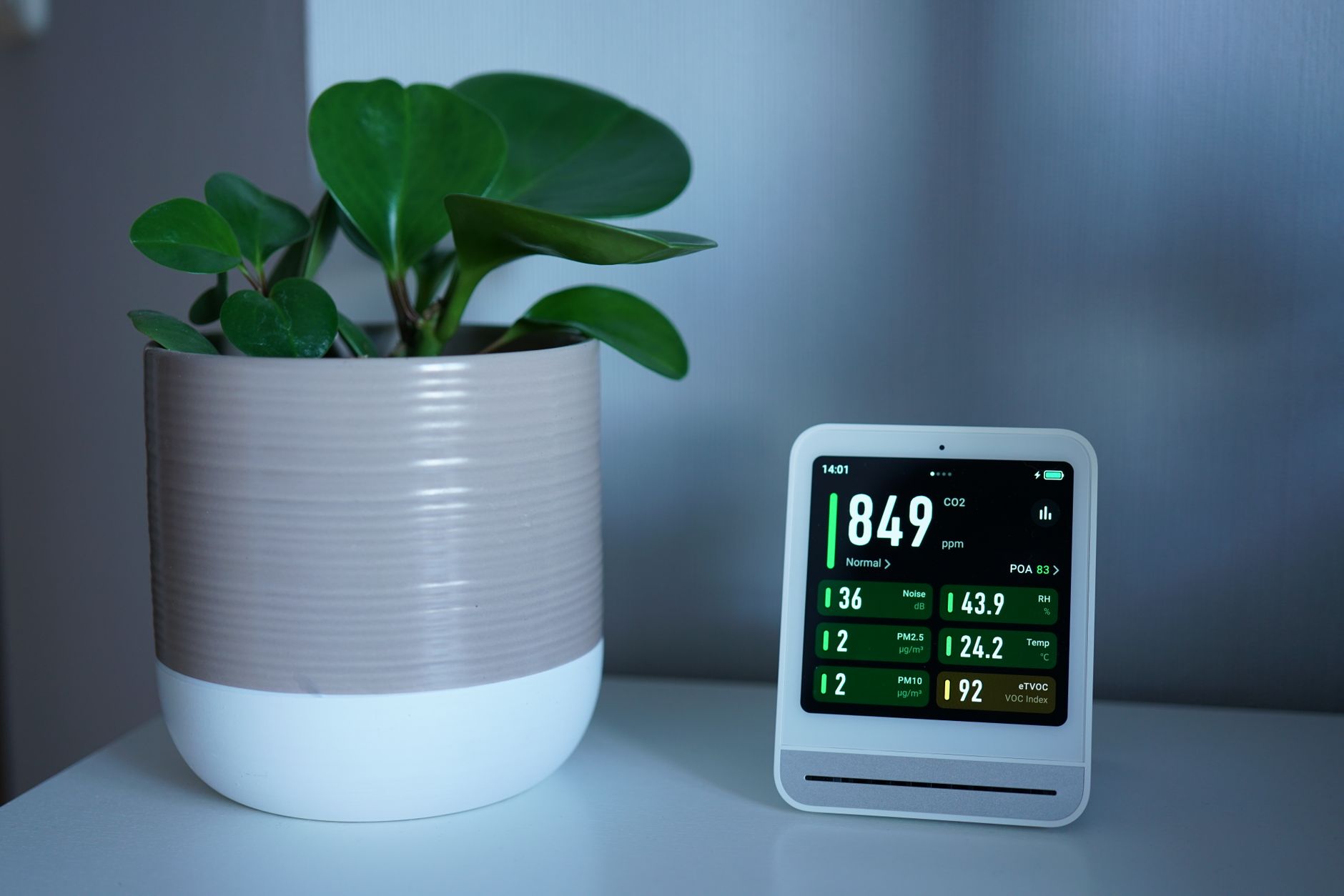
Air purifiers are effective tools for reducing airborne particles like dust, pollen, and pet dander, but they will not eliminate the need for regular surface cleaning or humidity control in your home. While they can trap microscopic allergens, their impact is limited to the room where they are placed, and they require consistent maintenance to remain efficient over time.
⚡ In a Rush? Key Takeaways
- HEPA filters must capture 99.97% of particles as small as 0.3 microns to be effective.
- Running a purifier on medium speed typically costs between $3 and $7 in electricity per month.
- Replacement filters add $40 to $120 to your annual ownership costs depending on the model.
- ✅ Best value: Choose a unit with a HEPA filter rating rather than expensive ionization features.
Do Air Purifiers Actually Improve Indoor Air Quality?
Purifiers effectively capture particulate matter like dust and pollen in closed spaces but do not remove gaseous pollutants like VOCs.
How do HEPA filters remove allergens from the air?
High-efficiency particulate air filters trap microscopic particles using a dense fiber mesh that prevents pollutants from recirculating.
Most quality purifiers use a True HEPA filter, which is the gold standard for residential air cleaning. These filters are tested to ensure they capture at least 99.97% of particles that are 0.3 microns in diameter, which includes the majority of common household allergens.
- Pollen and mold spores are easily trapped by standard HEPA meshes.
- Pet dander is effectively removed when the unit is sized for the room.
- Tobacco smoke and fine dust require more frequent filter replacements.
Can air purifiers remove odors and volatile chemicals?
Standard HEPA filters do not capture gases or smells, requiring an activated carbon layer to adsorb household odors and VOCs.
If your goal is to reduce cooking smells or chemical off-gassing from new furniture, a standard HEPA unit will underperform. You must look for models that include a specific activated carbon stage. This charcoal-based material binds with gas molecules to neutralize smells rather than just trapping dust.
What Is The Real Cost Of Running An Air Purifier?
Owning an air purifier involves the initial purchase, monthly electricity consumption, and the critical recurring cost of filter changes.
How much electricity does an air purifier use per month?
Most home air purifiers consume between 20 and 60 watts, resulting in a monthly running cost of approximately $3 to $7 at US rates.
Because these devices run 24/7 in many homes, energy efficiency is often overlooked by buyers. I recommend choosing units with an Energy Star rating to ensure the fan motors are optimised for low-power operation during night-time cycles.
What should you expect to pay for replacement filters?
Replacement filters cost $40 to $120 annually, and failing to replace them will eventually burn out the unit’s fan motor from strain.
Think of the filter cost as a subscription fee for cleaner air. If a device seems cheap to buy but uses proprietary filters that are expensive, your total cost of ownership will quickly exceed that of a more premium machine with cheaper, standardized filter parts.
How Do You Choose The Right Size For Your Room?
Match the unit’s Clean Air Delivery Rate to your room dimensions to ensure the air is turned over at least four times per hour.
What is the Clean Air Delivery Rate (CADR)?
CADR is a standard measurement indicating the volume of filtered air a unit can produce per minute for dust, pollen, and smoke.
The CADR is the only reliable metric for comparing one machine against another. Manufacturers often use “square footage” on the box, which is frequently inflated. Always check the CADR number on the back of the device or in the manual instead.
Are there hidden maintenance requirements to consider?
You must place units three feet from walls to allow proper airflow and ensure the intake is not obstructed by furniture or curtains.
Proper placement is as important as the model you buy. I have seen many people place purifiers in corners where the intake is choked, causing the motor to work harder and increasing noise without improving air quality. If you want to dive deeper into appliance costs, I have written extensively on general appliance efficiency and how to monitor your home energy load.
Frequently Asked Questions
Here are the most common questions regarding air purifier effectiveness, long-term costs, and maintenance for the average home owner.
Do I need to run my air purifier 24/7?
Running the unit on a low setting 24/7 is generally more effective than running it on high for short, intermittent intervals.
Are ionizers and ozone generators safe for home use?
Avoid devices that produce ozone as it is a lung irritant that can worsen asthma and other existing respiratory conditions.
How often should I clean the exterior of my unit?
Vacuuming the pre-filter every 30 days extends the life of your expensive HEPA filter and keeps the airflow consistent.
Do purifiers help with humidity or mold?
They trap mold spores but do not remove moisture, so you will still need a dehumidifier to solve the root cause of mold growth.
Ultimately, a purifier is a single component of a healthy home. For further advice on managing your home environment, see my energy efficiency guide or explore our home cost tools to understand your total monthly utility impact.
— Greta Michaud, Home Appliance Efficiency Researcher