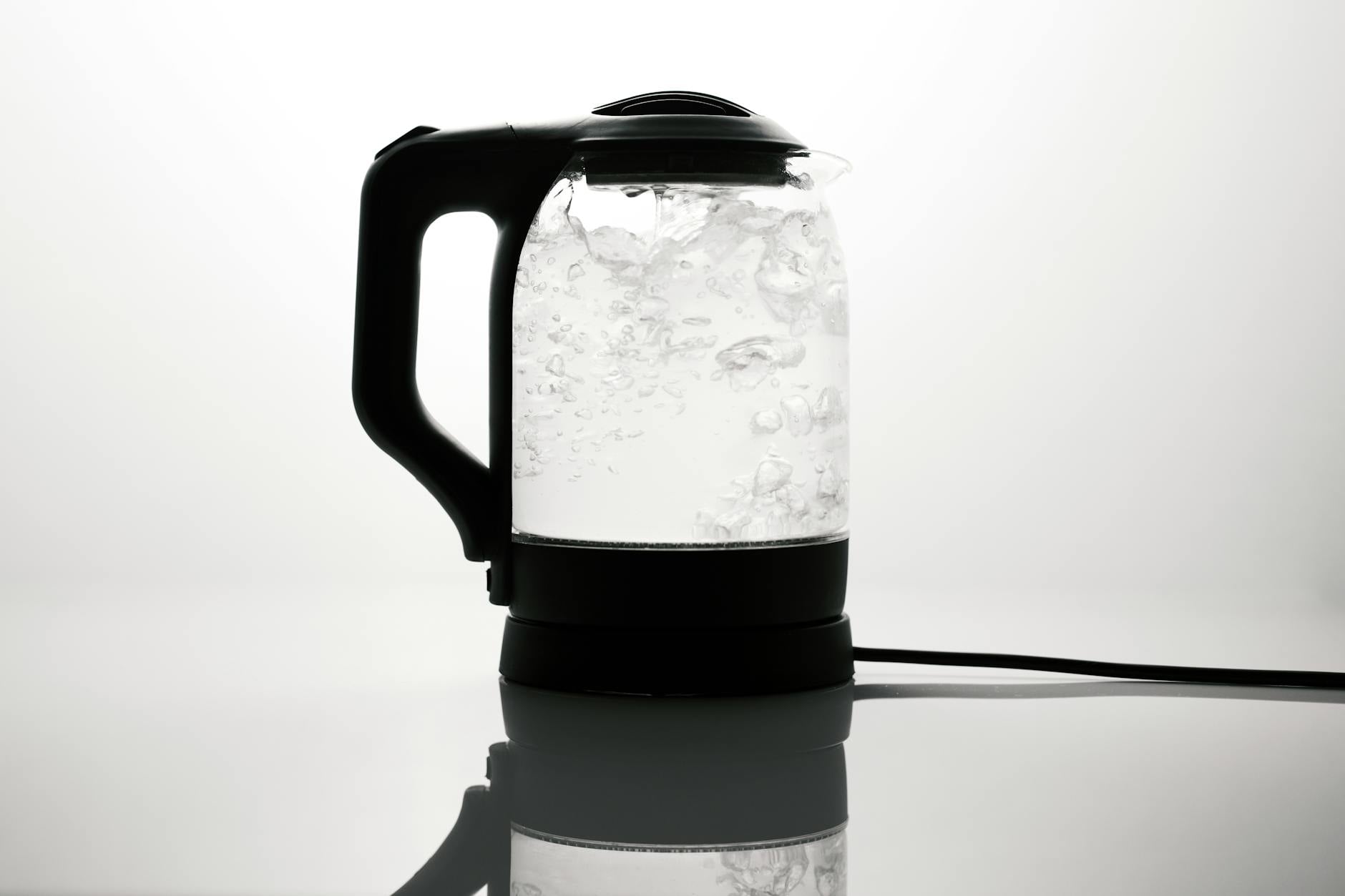
The electric kettle is a kitchen staple, providing hot water with remarkable speed. But for something so seemingly simple, how much thought do we give to its running costs? This analysis explores into the true energy consumption of boiling different volumes of water, dissecting whether habitually filling your kettle to the brim is a secret drain on your electricity bill compared to conscientiously heating only what you need.
⚡ In a Rush? Key Takeaways
- Boiling a full 1.7L kettle costs approximately $0.05-$0.07, while a single cup is around $0.01-$0.02.
- Heating more water than needed can waste an average of $0.04 per boil, accumulating to over $14.50 annually for daily use.
- The primary energy waste comes from heating the excess water, not the kettle’s overall inefficiency.
- Modern detergents work effectively at 20°C, reducing laundry energy consumption by up to 60%.
- ✅ Only boil the water you need to avoid unnecessary energy expenditure and reduce your electricity bill.
How Much Energy Does a Kettle Use to Boil Different Volumes?
The energy consumption of an electric kettle directly correlates with the volume of water being heated, with a full kettle using significantly more.
Electric kettles are highly efficient at transferring electrical energy into heat for water. However, that efficiency applies to the water present. If you fill a 1.7-liter kettle to capacity but only need a single 250ml cup, the energy used to heat the remaining 1.45 liters is essentially wasted. This distinction is crucial for understanding the real cost implications of your boiling habits.
What is the typical energy consumption for boiling a single cup?
Boiling a single cup (approximately 250ml) of water in an electric kettle typically consumes around 0.03-0.05 kWh of electricity.
For UK consumers, boiling a single cup of water costs around 1.01p, which translates to a few cents in the US depending on local electricity rates. This is a relatively minor energy expenditure, primarily focusing on heating just enough water to fill your mug. The short boiling time also means less heat dissipation to the surrounding environment.
- A standard single cup is roughly 250ml.
- Energy required is directly proportional to water mass and temperature change.
- Modern kettles are designed to minimize heat loss during this short cycle.
How much more energy does boiling a full kettle consume?
Boiling a full 1.7-liter electric kettle uses approximately 0.15-0.2 kWh, which is significantly more than heating a single cup.
A full kettle, often around 1.7 to 2 liters, demands a much larger energy input due to the sheer volume of water. While the kettle itself is efficient, the energy used to heat water that won’t be immediately consumed is where the waste occurs. For example, boiling a full 1.7L kettle might cost around 5.4p in the UK, a noticeable increase from the single cup.
I find tracking the per-use cost of appliances to be an illuminating exercise. Many running costs feel negligible on a single-use basis, but the patterns become clear over a month or year.
- A 1.7L kettle filled to capacity uses about 7 times the energy of a 250ml cup.
- Excess heated water loses temperature if not used, creating thermal waste.
- The element works longer, potentially contributing to wear over time.
What Factors Influence Kettle Energy Waste?
Several factors beyond water volume affect kettle energy waste, including kettle wattage, insulation, and accumulation of limescale.
While the volume of water is the most significant factor in energy consumption for kettles, it’s not the only one. Understanding these additional variables can help you make more informed choices about your boiling habits and even your appliance selection. The cumulative effect of these small inefficiencies can contribute to a larger overall energy footprint.
Does kettle wattage impact energy consumption for different volumes?
Kettle wattage determines boiling speed and power draw, with higher wattage kettles boiling faster but not necessarily using less total energy for the same volume.
Higher wattage kettles (e.g., 3kW) can bring water to a boil quicker than lower wattage models. However, the total energy consumed to heat a specific volume of water from room temperature to boiling point is largely a function of the water’s thermal mass and the kettle’s efficiency. A 3kW kettle might accomplish the task in 2 minutes, while a 2kW kettle takes 3 minutes. The energy (kWh) used could be very similar, as kWh = (kW × hours). The primary benefit of higher wattage is speed, not necessarily inherent energy savings per boil.
| Kettle Wattage | Boiling Time (approx. 1L) | Energy Use (kWh/1L) |
|---|---|---|
| 2.0 kW | 3.5 – 4 min | ~0.12 kWh |
| 2.4 kW | 3 – 3.5 min | ~0.12 kWh |
| 3.0 kW | 2.5 – 3 min | ~0.12 kWh |
How does limescale buildup affect kettle efficiency?
Limescale acts as an insulator on the heating element, forcing the kettle to work harder and longer to achieve boiling temperatures, increasing energy use.
In hard water areas, limescale, primarily calcium carbonate, can accumulate on the heating element and interior surfaces of your kettle. This scale is a poor conductor of heat, meaning the heating element must generate more energy to transfer the same amount of heat to the water. This directly translates to longer boiling times and increased electricity consumption. Regular descaling is a simple yet effective way to maintain efficiency and extend your kettle’s lifespan. I’ve found water efficiency in other areas of the home is similarly impacted by water hardness.
- A thin layer of limescale can increase boiling time by 10%.
- Thicker deposits can lead to over 20% increase in energy consumption.
- Visible scale indicates a need for immediate descaling.
What is the Financial Impact of Kettle Energy Waste?
Boiling excessive water in a kettle can seem trivial per use, but it accumulates to several dollars of unnecessary expenditure annually for many households.
While the cost difference between boiling a full kettle and just a cup might seem small in isolation, habits quickly compound. A few cents here and there can surprisingly add up over weeks, months, and years, making a noticeable dent in your utility bill. This is especially true for households that boil water multiple times a day.
How much money can you save by boiling only what’s needed?
Regularly boiling only the necessary amount of water can save an average household between $10 to $20 annually on electricity costs.
Let’s consider an example based on research findings. If boiling a full kettle costs approximately 5.4p (UK) and a single cup costs 1.01p, the waste per full boil when only one cup is needed is about 4.39p. If this happens once a day for a year, that’s an annual waste of approximately £16.02, or over $19 at current exchange rates and US electricity prices. Over a ten-year appliance lifespan, that’s a significant sum for a simple habit change. I often advocate for small, consistent adjustments, like optimising kitchen workflow, that accumulate to large savings.
- One daily ‘wasted’ full boil could cost $0.04 – $0.06 in the US.
- Annually, this habit could add $14.60 – $21.90 to your electricity bill.
- The savings are more significant for larger families or frequent tea/coffee drinkers.
Are there other hidden costs of boiling too much water?
Beyond electricity, boiling excessive water can contribute to premature wear on your kettle’s heating element and increase overall appliance maintenance needs.
According to Morphy Richards, boiling only the volume you need doesn’t just save money; it also prevents the element from overworking. This positively impacts how long a kettle lasts. Constantly heating a larger mass of water for longer periods puts more strain on the heating coil, potentially shortening its operational life. An earlier replacement means an additional expense and adds to household waste. It’s an often-overlooked aspect of appliance efficiency that impacts overall ownership costs.
Based on our efficiency data, appliances that consistently achieve specific energy metrics tend to offer lower long-term running costs and better overall value. This is why our top picks in various categories often prioritize efficiency ratings.
Frequently Asked Questions About Kettle Energy Use
-
Is it more efficient to boil water on a gas stove or in an electric kettle?
An electric kettle is generally more energy-efficient for small to medium volumes of water, as gas stoves lose more heat to the environment.
-
How can I accurately measure my kettle’s energy consumption?
You can measure your kettle’s energy consumption by using a plug-in energy monitor or smart plug, which displays real-time kWh usage.
-
Does pre-boiling water in a kettle save energy compared to heating it on a stove?
Yes, pre-boiling water in an electric kettle and then transferring it to a stove for further cooking is more energy-efficient than starting cold on the stove.
-
What is the most energy-efficient type of electric kettle to buy?
The most energy-efficient kettles often feature precise temperature control, good insulation, and a minimum fill indicator for single cups.
-
Does a kettle’s age affect its energy efficiency?
Yes, older kettles can become less efficient due to limescale buildup, degraded insulation, and less precise temperature sensors compared to newer models.
Most questions about kettle energy use center on cost, efficiency comparisons, and practical tips for saving electricity while boiling water.
— Greta Michaud, Home Appliance Efficiency Researcher