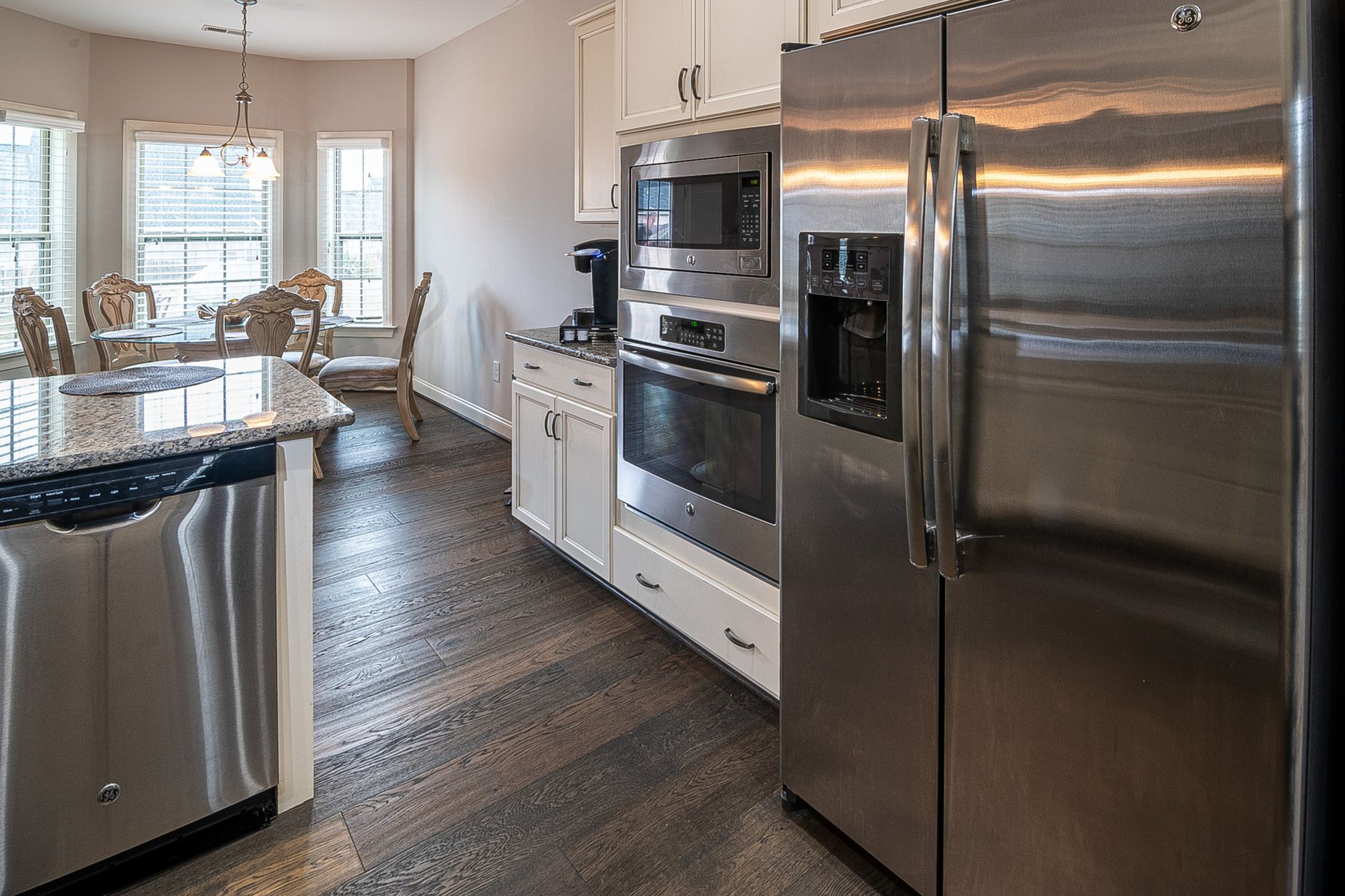
Running home appliances efficiently in 2026 requires balancing initial purchase costs against long-term electricity consumption and maintenance needs. Homeowners who monitor individual appliance energy use can identify significant cost savings, often reducing annual utility bills by 15% or more through simple operational shifts.
⚡ In a Rush? Key Takeaways
- Heating water accounts for 75-90% of your washing machine energy usage per cycle.
- Modern heat pump dryers use 1.5–2.5 kWh per load, saving up to $0.50 per cycle.
- Standby power from household appliances can add $80–200 to annual energy bills.
- ✅ Best strategy: Use cold water for laundry and air-dry dishes to slash costs.
Which Home Appliances Have the Highest Running Costs?
Heating and cooling systems, water heaters, and older refrigerators represent the highest energy expenditures in the average residential home.
Why are water heaters so expensive to run?
Traditional tank water heaters keep 40-50 gallons of water at high temperatures 24/7, causing constant standby heat loss throughout the day.
Many homeowners ignore their water heater because it operates silently and stays hidden in a utility closet. However, the energy required to maintain hot water temperature is a continuous draw on your electricity or gas bill.
- Tankless models heat water on-demand, reducing energy use by up to 34%.
- Insulating your existing tank can reduce standby heat loss by 5-10%.
- Setting your thermostat to 120°F is safer and far more energy-efficient.
Is your refrigerator costing you money?
Refrigerators built before 2015 often consume 400-600 kWh annually, while modern A-rated units typically require only 100-200 kWh per year.
An aging refrigerator is often the most expensive appliance in your kitchen. As seals degrade and compressors work harder, the annual running cost can climb significantly higher than when the unit was new.
How do Energy Star ratings and rebates affect appliance costs?
Energy Star certification guarantees a product uses significantly less energy than non‑certified models, often translating into lower utility bills and eligibility for rebates.
When shopping for a new refrigerator, dishwasher, or HVAC system, look for the Energy Star label; certified units typically consume 10‑50% less electricity than standard models. Many utilities and government programs offer rebates or tax credits that can offset the higher upfront price, making the payback period shorter.
For example, a qualifying heat pump water heater may receive a $300‑$500 rebate, reducing its effective cost and delivering savings of up to $150 per year on energy bills.
How Can You Lower Laundry Running Costs?
Switching to cold water cycles, cleaning lint traps, and using high-spin speeds can reduce your laundry energy expenditure by 60 percent.
Does cold water washing actually clean clothes?
Modern laundry detergents are engineered to activate at 20°C, providing identical cleaning performance to warmer cycles on standard daily loads.
Heating water is the single biggest energy expense for your washing machine. By opting for a 20°C or 30°C cycle, you immediately stop the heating element from drawing excess power.
How do tumble dryers impact your annual budget?
Vented tumble dryers consume roughly 5 kWh per cycle, whereas modern heat pump dryers use less than 2 kWh to achieve the same drying result.
For those looking for long-term savings, a heat pump unit is a sound investment. If you aren’t ready to replace your machine, consider using a heated clothes airer for mid-week loads to save on dryer usage.
Are Smart Home Appliances Worth the Price Premium?
Smart appliances provide value primarily through remote monitoring and scheduling, helping to avoid peak electricity pricing windows.
Can remote scheduling lower your electricity bill?
Scheduling appliances like dishwashers to run during off-peak hours can reduce costs by 10-20% depending on your local energy tariff structure.
Being able to control your machine from a phone is convenient, but the real financial benefit is in timing. Running your energy-efficient dishwasher when energy demand on the grid is lower prevents you from paying premium peak rates.
Do energy monitors help track appliance performance?
Individual energy monitors reveal actual consumption, often showing that rated lab figures differ from real-world usage by over 20 percent.
Using a smart plug to monitor a specific appliance is the best way to determine if a machine is near failure. If a fridge cycle suddenly doubles in frequency, you have early warning of a failing thermostat or compressor.
Frequently Asked Questions
Common concerns about appliance efficiency include standby power, maintenance routines, and the cost-benefit of upgrading older, working units.
Does turning appliances off at the wall save money?
Yes, cutting power to devices on standby can save $80-200 annually by eliminating the phantom load of displays, clocks, and remote sensors.
How often should I clean my appliance filters?
Clean dryer lint filters every load and vacuum refrigerator coils every six months to prevent the motors from overworking due to airflow restriction.
When should you replace an appliance instead of repairing it?
If repair costs exceed 50% of the replacement price or the appliance is over 10 years old, upgrading to a modern model is usually the better value.
Running a home well means paying attention to the details that others overlook. For more guidance on managing your home’s systems, explore our maintenance hub to keep your appliances running as efficiently as possible.