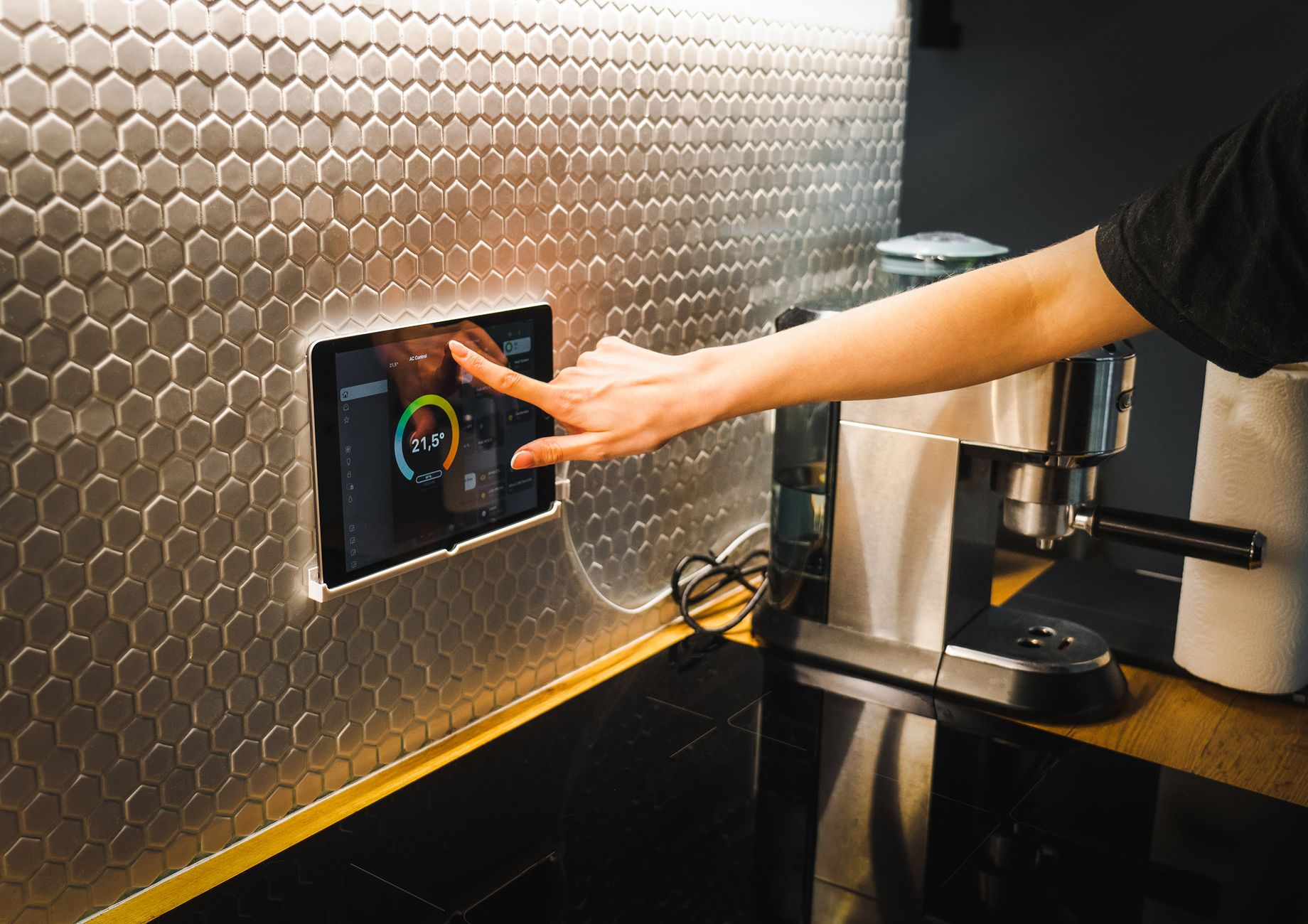
The aspiration for a more efficient and cost-effective home in 2026 inevitably leads us to the kitchen, the epicentre of daily consumption. Food waste isn’t merely an environmental concern; it’s a significant drain on household budgets. Fortunately, a new wave of smart kitchen devices is emerging that promises to tackle this challenge head-on, offering genuine solutions for both reducing waste and lowering monthly expenses.
⚡ In a Rush? Key Takeaways
- Smart fridges can reduce food spoilage by up to 40% through optimized temperature control.
- Inventory tracking apps integrated with smart devices can cut grocery bills by 10-15%.
- Sous vide machines can extend the life of proteins and cut cooking energy by 30%.
- Intelligent food storage systems can save the average household $500-$800 annually on groceries.
- ✅ Best value: Smart inventory tracking and optimized storage solutions slash waste and costs.
How Can Smart Kitchen Devices Combat Food Waste and Save Money?
Smart kitchen devices combat food waste by improving inventory management, optimizing storage conditions, and providing data-driven insights into consumption patterns.
What is the Core Principle Behind Food Waste Reduction Technology?
At its heart, the innovation in smart kitchen devices for food waste reduction lies in data and control. By understanding precisely what food you have, how it’s being stored, and when it’s likely to expire, you can make more informed decisions. This intelligent oversight prevents items from being forgotten at the back of the refrigerator or pantry until they’re no longer usable. The fundamental principle is to provide the homeowner with actionable information that directly translates into less discarded food and, consequently, lower grocery expenditure.
How Do Smart Appliances Optimize Storage Conditions?
Traditional appliances offer a one-size-fits-all approach to cooling and preserving food. Smart appliances, however, can dynamically adjust their internal environments. For instance, some refrigerators feature multi-zone cooling, allowing different compartments to maintain specific temperatures and humidity levels ideal for particular types of produce, meats, or dairy. Others might employ advanced air circulation to prevent ethylene gas buildup, which accelerates ripening and spoilage in fruits and vegetables. These tailored conditions mean food stays fresher for significantly longer periods.
This advanced control is a stark contrast to older models where a single temperature setting dictated the fate of all items within. For example, produce drawers in older fridges often had basic humidity controls, if any. Modern smart refrigerators can monitor internal conditions and adjust airflow and temperature in specific drawers to create micro-climates. For instance, a crisper drawer might be set to a higher humidity for leafy greens to prevent wilting, while another drawer might be kept cooler and drier for items that benefit from that environment. This precise management directly inhibits premature spoilage.
How Does Inventory Management Impact Household Budgets?
Keeping track of pantry staples and refrigerator contents is a perennial challenge. Without a clear system, duplicate purchases and forgotten items are common. Smart kitchen devices, often through integrated apps or cameras, can provide a real-time inventory of your food supplies. Knowing precisely what you have means you’re less likely to buy things you already possess. Furthermore, these systems can alert you to items nearing their expiration dates, prompting you to use them in meals before they spoil. This proactive approach to consumption directly reduces unnecessary spending on groceries.
Research from the EPA suggests that a significant portion of household food waste stems from overbuying and a lack of awareness about existing supplies. Smart inventory systems tackle this by acting as a digital pantry. Imagine opening your fridge virtually via an app before you go to the supermarket. You can see exactly which vegetables are still good, check if you have enough milk for the week, or note that you’re running low on eggs. This level of visibility prevents impulse buys and ensures that food you’ve already purchased gets used efficiently, leading to a noticeable reduction in your monthly grocery bill—estimates often range from 10% to 15% savings for consistent users.
What is the Financial Payback for These Smart Devices?
The initial investment in smart kitchen technology can seem substantial. However, the financial payback comes from a combination of reduced grocery spending, fewer discarded items, and often, enhanced energy efficiency in the appliances themselves. While precise figures vary widely based on household size, consumption habits, and the specific devices chosen, most systems offering robust inventory management and optimized storage can recoup their cost within 2 to 5 years. The ongoing savings compound year after year, making them a sound long-term financial decision for the conscious homeowner.
Intelligent Refrigeration: More Than Just Cold
Smart refrigerators offer advanced temperature control, internal cameras, and inventory management to keep food fresh longer and reduce household waste.
How Do Smart Refrigerators Improve Food Preservation?
Modern smart refrigerators go far beyond basic cooling. Many incorporate features like precise multi-zone temperature control, allowing users to set specific temperatures for different drawers or compartments. This is critical because various food types have optimal storage conditions. For example, delicate greens require high humidity to stay crisp, while certain meats benefit from colder, drier environments. By tailoring these conditions, smart refrigerators significantly extend the freshness of perishables, directly combating the spoilage that leads to waste.
For instance, a smart refrigerator might feature a “FlexZone” or “Chiller Drawer” that can be toggled between different settings for meats, beverages, or produce. Some advanced models even monitor humidity levels and adjust airflow to prevent condensation buildup that can lead to mold or premature ripening. These actively managed environments mean that a head of lettuce or a carton of milk can remain at peak freshness for days, even weeks, longer than in a standard refrigerator. This extended shelf life is a direct prevention of waste and a tangible saving on your grocery bill.
Can Internal Cameras Help Track What’s Inside?
Yes, a rapidly growing number of smart refrigerators are equipped with internal cameras. These cameras sync with a companion smartphone app, allowing you to view the contents of your fridge remotely. This is invaluable when you’re at the grocery store and can’t recall if you need more eggs or if that block of cheese is still viable. By providing an on-demand visual inventory, these cameras help prevent duplicate purchases and remind you of items that need to be consumed soon, thereby reducing waste.
Brands like Samsung have integrated this feature prominently, allowing users to see exactly what’s on each shelf via their mobile device. This technology transforms the way we shop, empowering us with real-time information from the pantry or fridge itself. Instead of guessing or making extra trips, you can confidently plan your meals and purchases, ensuring that you only buy what you truly need. This intelligent oversight is one of the most direct pathways to cutting down on unnecessary spending and reducing the volume of food that ends up in the bin.
What is the Average Cost Saving from Using a Smart Refrigerator?
Estimating the exact cost saving is complex, as it depends heavily on individual shopping habits and existing waste levels. However, for a typical household that struggles with food waste, the savings can be substantial. If a family reduces food spoilage by just 10% to 15% through better inventory management and optimized storage, they could save anywhere from $500 to $800 annually on groceries. When factoring in potential energy savings from more efficient cooling technologies, the long-term financial benefit of a smart refrigerator becomes clearer, even considering its higher upfront cost compared to a traditional model.
Smart Food Storage and Preservation Gadgets
Specialized gadgets like vacuum sealers and sous vide machines extend food life, reduce waste, and can even lower cooking energy consumption.
How Do Vacuum Sealers Contribute to Food Waste Reduction?
Vacuum sealers remove air from food packaging before sealing it. This process is remarkably effective at preventing spoilage. By eliminating exposure to oxygen, vacuum sealing inhibits the growth of mold, bacteria, and yeast, which are primary culprits in food degradation. It also prevents freezer burn, a common issue with improperly stored frozen foods that renders them unpalatable and leads to waste.
Foods sealed with a vacuum sealer can last significantly longer in the refrigerator or freezer. For example, uncooked meats might last up to a year in the freezer when vacuum-sealed, compared to just a few months for standard packaging. Berries can last for weeks instead of days. This dramatic extension of shelf life means you can buy in bulk when items are on sale, preserve leftovers confidently, and prevent produce from going bad before you have a chance to enjoy it. The reduction in discarded food directly translates into savings on your grocery bill, as you’re making the most of every food item you purchase.
Can Sous Vide Machines Lower Kitchen Energy Costs?
Sous vide cooking, where food is vacuum-sealed and then immersed in precisely temperature-controlled water, offers a dual benefit for waste reduction and energy efficiency. While the primary advantage is unparalleled cooking precision and texture, it also enables more effective preservation of pre-cooked items. Furthermore, the cooking process itself can be more energy-efficient than traditional oven or stovetop methods for certain dishes. Because the temperature is precisely maintained, there’s no energy wasted in heating a large oven cavity and then compensating for fluctuations. For foods that require long, slow cooking, a sous vide setup can use a fraction of the energy compared to a conventional oven over the same period.
Consider cooking a large cut of meat, like a pork shoulder, using sous vide versus a slow cooker or oven. The sous vide water bath maintains a consistent temperature; if it needs 24 hours, it holds that temperature without spikes or dips that waste energy. A slow cooker, while designed for low energy use, can fluctuate. An oven uses energy to heat its entire cavity. For tasks requiring low, steady heat over extended periods, sous vide can indeed be more energy-efficient, contributing to slightly lower electricity bills. Its ability to perfectly cook and then maintain food at optimal temperature for serving also reduces the likelihood of having to discard meals prepared imperfectly.
What are Smart Food Storage Containers?
Smart food storage containers go beyond simple airtightness. Some advanced systems integrate with smartphone apps to track what’s inside and when it was stored. They might employ features like vacuum sealing capabilities within the container itself or advanced materials that passively help regulate humidity and temperature, slowing down spoilage. The goal is to provide a controlled environment that optimizes the longevity of stored food, ensuring it remains fresh and usable for as long as possible. This is particularly useful for pre-prepped meals or ingredients that might otherwise degrade quickly in standard Tupperware.
While still a developing category, the concept is compelling. Imagine containers that not only keep your food fresh but also communicate with an app to remind you when you last stored that batch of overnight oats or how many days your salad mix has been in there. Some early prototypes even feature active ventilation or temperature monitoring. These systems are designed to be as intuitive as possible, making it effortless for users to gain visibility over their stored food and make better decisions about consumption, thereby directly attacking waste and the associated costs.
Smart Cookware and Assistive Devices for Efficiency
Intelligent cookware and apps guide efficient cooking, reduce errors, and help you use every part of your ingredients.
How Do Smart Cookware and Cooking Apps Reduce Errors and Waste?
The kitchen is an area where precision can make a significant difference, especially in limiting waste. Smart cookware, such as induction cooktops with precise temperature control or ovens that monitor internal food temperature, helps prevent over- or under-cooking. Less obvious, but equally effective, are the connected cooking apps that guide users through recipes step-by-step. These apps often provide exact measurements, cooking times, and techniques, minimizing user error that can lead to ruined dishes and wasted ingredients.
Consider a recipe for a delicate sauce that requires precise temperature management. An oven with a built-in food probe connected to an app can alert you the moment your roast reaches the target internal temperature, preventing you from overcooking it and drying it out. Similarly, an induction hob that allows setting temperatures in precise degrees, rather than just power levels, ensures consistent results for stovetop preparations. These technologies empower novice and experienced cooks alike to achieve better outcomes, resulting in less food being discarded due to preparation mistakes. This enhanced control is a boon for both culinary success and budget management.
Can Smart Devices Help use Entire Ingredients?
Yes, some smart devices and associated apps are starting to focus on maximizing ingredient use. For example, an app might suggest recipes based on commonly discarded parts of ingredients, such as broccoli stems or vegetable peels. While this often relies on user input or integration with inventory management systems, the trend toward holistic ingredient utilization is growing. The intelligence lies in suggesting creative ways to use what might otherwise be thrown away, thereby increasing the value derived from every grocery purchase.
Imagine having an app that, when you scan a bunch of carrots, not only suggests carrot soup but also provides a recipe for carrot top pesto. Or an app that helps you make vegetable broth from scraps you’ve been saving. These are increasingly sophisticated tools that encourage a more resourceful approach to cooking. By providing actionable ideas and recipes that use more of each ingredient, these smart systems directly contribute to reducing household food waste and making your grocery budget stretch further. This is a powerful, often overlooked, aspect of smart kitchen technology.
What Is the Role of AI in Predicting Food Perishability?
Artificial intelligence is beginning to play a role in predicting food perishability, moving beyond simple expiration dates. AI algorithms can analyze factors like the temperature history in a refrigerator, the type of food, its packaging, and even visual cues from internal cameras to estimate how much life is left in an item. This predictive capability allows for more proactive meal planning, suggesting that you use a particular item that’s nearing its optimal consumption window.
For instance, a sophisticated smart fridge might note that a carton of milk has been open for five days and, based on its storage temperature history, predict it will remain fresh for another three days. It could then factor this into your meal planning suggestions for the week. While this technology is still evolving, its potential to significantly curb waste by providing personalized shelf-life estimates is immense. Such insights allow consumers to make timely consumption decisions, ensuring food is used at its best and not discarded prematurely, leading to direct cost savings.
Can Smart Kitchen Scales Help Monitor Portion Sizes and Waste?
Indeed, smart kitchen scales can be a valuable tool in monitoring both portion sizes and actual food waste. By weighing ingredients as you cook, you gain a more precise understanding of how much food you’re using per meal. This data can be logged, often via an app, to help you track consumption patterns and identify where you might be over-preparing. For households looking to manage specific dietary needs or simply reduce total food usage, these scales offer an objective measurement.
Furthermore, some smart scales are integrating with inventory systems. You could, for example, weigh out a portion of rice, and the scale (connected via Wi-Fi) could update your inventory count. This smooth integration automates parts of the tracking process. By knowing precisely how much of each ingredient is used and how much is left, you can refine your purchasing habits and meal portioning, thereby reducing both planned and unplanned food waste. Accurate portioning also indirectly contributes to lower grocery bills by preventing over-purchasing and over-preparation.
Frequently Asked Questions About Smart Kitchen Devices for Food Waste
-
Are smart kitchen devices truly effective at reducing food waste?
Yes, when used consistently, smart kitchen devices that focus on inventory management, optimized storage, and predictive perishability can be highly effective. They provide data and control that traditional kitchens lack, directly addressing the root causes of household food waste such as forgotten items and improper storage. The key is active engagement with the technology to leverage its benefits.
-
What is the typical upfront cost of these smart gadgets?
Upfront costs vary significantly. Basic smart
Addressing common queries about smart kitchen tech, its effectiveness, cost, and practical application for reducing food waste.