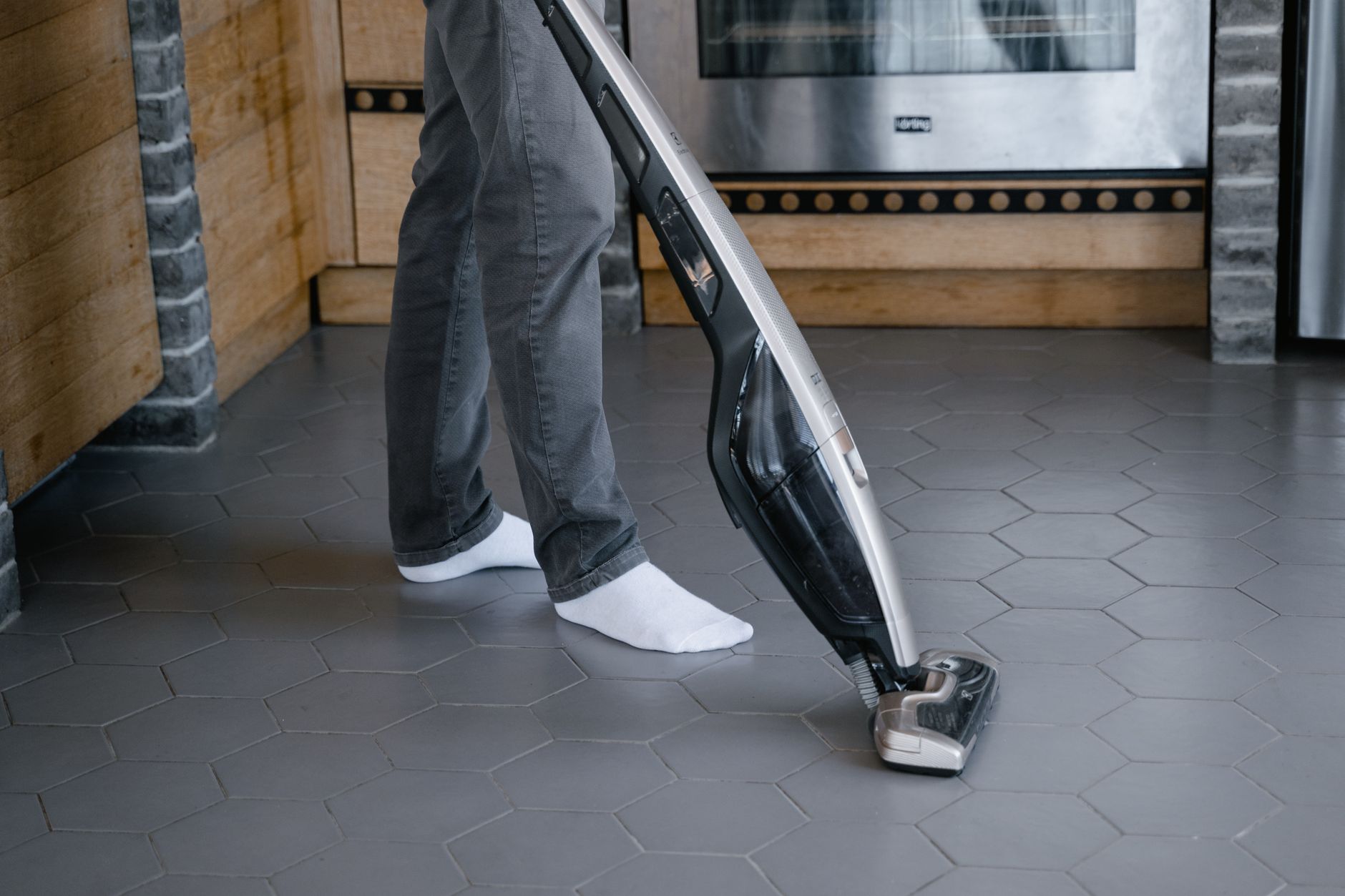
Upright vacuums are consistently more effective for deep cleaning carpeted surfaces than stick models because they feature wider brush heads and more robust airflow systems. While stick vacuums have improved significantly in portability, the structural design of an upright allows for longer-lasting motor performance and greater debris capacity.
⚡ In a Rush? Key Takeaways
- Upright vacuums typically last 8 to 12 years with proper filter maintenance.
- Standard uprights pull 1,000–1,400 watts, while stick models use 200–400 watts.
- Uprights hold 2–3 liters of debris, compared to 0.5–1 liter for stick units.
- For homes with over 50% carpet coverage, a corded upright is the superior choice.
Why Should You Choose an Upright Vacuum in 2026?
Uprights offer superior suction depth and bin capacity, making them ideal for large carpeted homes requiring heavy-duty floor care.
Are Uprights Better for Heavy Carpeted Areas?
Yes, uprights provide deeper agitation using rotating brush bars that dislodge embedded soil far better than lightweight cordless sticks.
When you have a home filled with high-pile or wall-to-wall carpeting, the sheer power of an upright motor is hard to replicate. The physical weight of these units helps press the brush bar deeper into the carpet fibers, ensuring a more thorough clean.
- Agitation: Rotating brushes lift dirt from deep within the weave.
- Airflow: Stronger motors maintain suction even as the bin fills up.
- Reliability: Proven mechanical designs offer longer service lives.
How Do Uprights Compare on Long-Term Cost?
Uprights generally offer a lower total cost of ownership over ten years due to cheaper parts and lack of battery replacement needs.
The hidden cost of modern home appliances often lies in battery degradation. Stick vacuums require expensive replacement batteries every 3–4 years, whereas corded uprights run until the motor reaches its cycle limit.
| Feature | Upright Vacuum | Stick Vacuum |
|---|---|---|
| Lifespan | 8–12 Years | 3–5 Years |
| Maintenance | Filter cleaning | Filter + Battery |
| Cost/Year | Low | Moderate/High |
What Are the Main Downsides of Upright Models?
Uprights are heavier and bulkier, which limits their maneuverability under furniture and makes carrying them upstairs quite difficult.
Are They Too Heavy for Regular Use?
At 15–20 pounds, uprights are significantly heavier than 5-pound stick models, leading to fatigue when cleaning multiple floor levels.
The weight is both a benefit and a curse. While it provides the pressure needed for carpet cleaning, it turns a simple chore into a genuine workout.
- Weight: Carrying an upright between floors is difficult for many users.
- Footprint: They require more closet space than wall-mounted stick models.
- Reach: Many struggle to fit underneath modern low-profile sofas.
Why Is Maneuverability an Issue?
Most upright models use fixed-head designs, making it harder to navigate around table legs or tight corners compared to sticks.
If your home features a complex layout with many obstacles, you may find the rigid structure of an upright frustrating. Modern kitchen workflows often require quick spot-cleaning, which is where stick models excel.
Are There Hybrid Options Worth Considering?
Look for lift-away upright designs, which detach the main canister from the floor head to provide a balance of power and reach.
Does a “Lift-Away” Feature Solve the Weight Problem?
Yes, detaching the heavy motor housing allows you to clean stairs and upholstery while retaining the power of an upright engine.
These hybrids act as a bridge between categories. They give you the full-sized power for your main floors and the agility of a handheld unit for smaller tasks.
- Versatility: Clean stairs easily without lugging the entire machine.
- Control: Access hard-to-reach areas above the floor line.
- Power: Retain the strong suction of a corded unit.
How Do Modern Filters Affect Running Costs?
HEPA-rated washable filters reduce the need for expensive replacements, keeping the annual running cost under $20 for most households.
Maintenance is key to efficiency. By washing your filters every 3–6 months and allowing them to air dry fully, you maintain optimal suction levels and avoid early motor failure.
How Do Uprights Perform with Pet Hair?
Uprights excel at removing embedded pet hair thanks to powerful brush rolls and strong suction, often outperforming sticks on carpets and upholstery.
Many upright models feature specialized pet‑hair tools such as motorized turbo brushes or rubberized nozzles that prevent hair from wrapping around the brush roll. The combination of a wide cleaning path and high airflow lifts hair deep within carpet fibers, while the larger debris bin reduces the frequency of emptying during a cleaning session.
For homes with multiple pets, look for models with anti‑tangle technology and HEPA filtration to capture dander and allergens, keeping both floors and air cleaner.
Frequently Asked Questions
Do upright vacuums use more electricity than stick vacuums?
Yes, uprights use 1,000–1,400 watts, while sticks use 200–400 watts, though uprights finish jobs faster due to superior suction power.
How long do upright vacuum motors usually last?
A quality upright motor will typically last 8 to 12 years if you keep filters clean and avoid blockages in the floor nozzle.
Is a bagged or bagless upright better?
Bagged models are better for allergy sufferers as they trap dust inside, while bagless models save on recurring bag purchase costs.
Should I choose an upright for hardwood floors?
Uprights are often overkill for hardwood; a stick model or canister vacuum is usually safer and gentler on delicate floor surfaces.
Final Thoughts on Vacuum Selection
Choosing an upright is the right move if your home is predominantly carpeted and you prioritize long-term durability over convenience.
If you decide an upright is right for your home, consider your storage and floor type first. For most families, the durability of a corded upright represents the best long-term energy efficiency and financial value for a core home appliance.