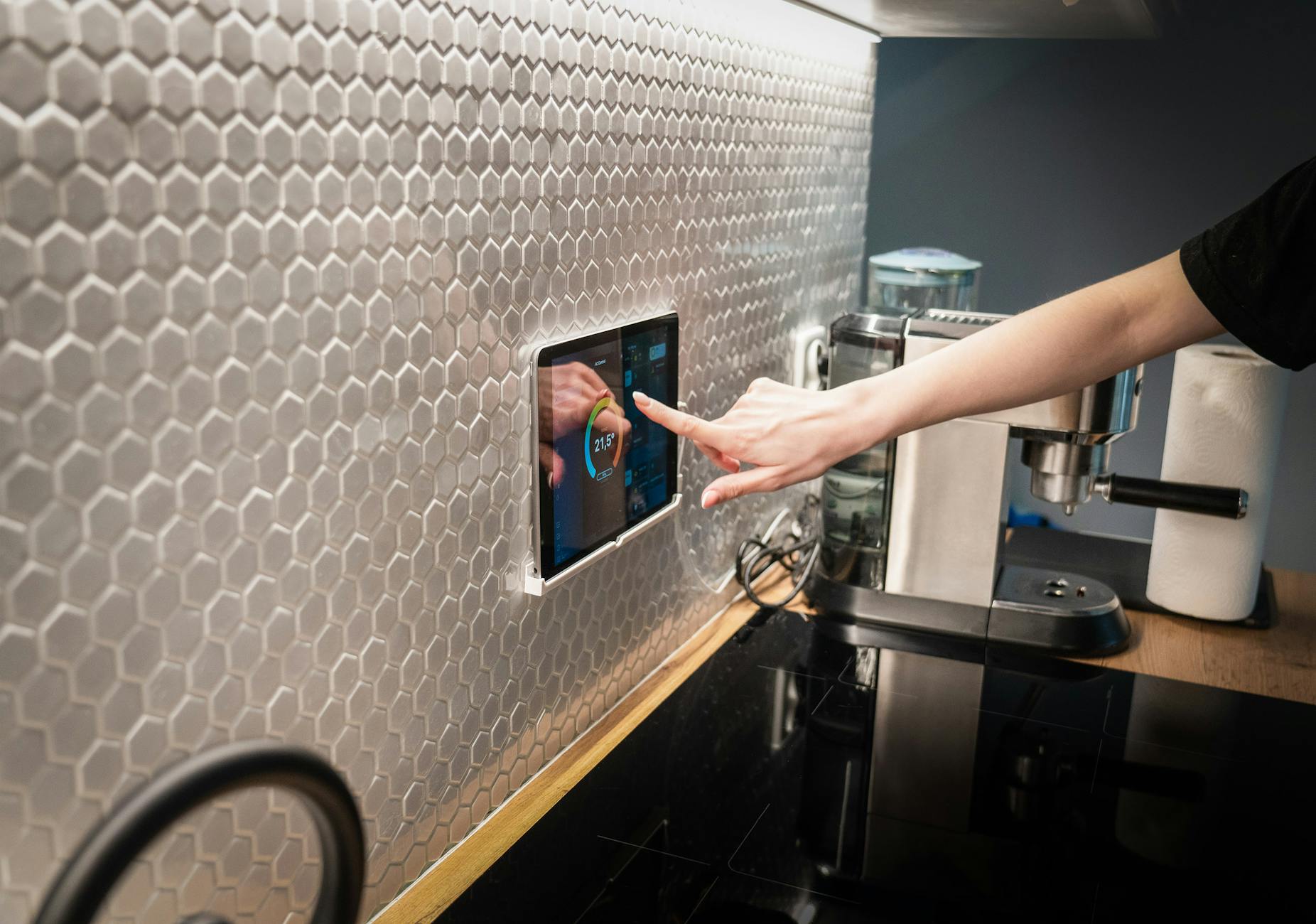
A smart kitchen ecosystem setup guide typically conjures images of WiFi-enabled refrigerators and voice-controlled faucets, but that is not the efficiency I practice. The kitchen I have curated over twelve years of renting and homeownership operates on principles of spatial logic and intentional workflow, not internet connectivity. A truly intelligent kitchen anticipates your movements, reduces unnecessary steps, and keeps essential tools visible yet unobtrusive. It requires no apps, no firmware updates, and no subscription fees—only thoughtful zoning and disciplined storage systems that save both time and utility costs.
⚡ In a Rush? Key Takeaways
- Workflow-based ecosystems save $100–200 annually on utility costs compared to connected appliances.
- Transparent storage systems reduce food waste by 20–30%, recovering $1,200–1,500 in annual grocery costs.
- Organized kitchens run refrigerators 8–12% more efficiently due to reduced door-open time.
- ✅ Establish a 10-minute evening reset routine to maintain kitchen order.
Is a smart kitchen ecosystem the same as a connected kitchen?
No. Connected kitchens rely on Internet of Things devices and automation, while smart ecosystems prioritize physical workflow efficiency and logical zoning. The latter saves time and money without technological dependency or ongoing software costs.
The distinction matters for households watching their energy bills. Connected appliances often draw phantom power—electricity consumed while in standby—adding $100–200 annually to utility costs for a typical kitchen setup. A workflow-based ecosystem, by contrast, reduces energy consumption by minimizing the time appliances run and eliminating redundant gadgets. The Kitchen Layout Planner I developed focuses on ergonomic triangles and sight lines rather than circuit boards, resulting in a kitchen that functions efficiently even during power outages.
What is the minimum cost to establish a smart kitchen workflow?
A functional kitchen ecosystem overhaul costs between $150–400 for quality storage containers, drawer organizers, and zone markers. Professional kitchen design services charge $500–2,500 for similar spatial planning, making DIY organization significantly more cost-effective.
This investment pays for itself within three to four months through reduced food waste alone. When ingredients are visible and accessible, you use what you purchase rather than discarding forgotten produce. I recommend allocating your budget as follows: 40% for airtight storage containers (preferably glass or BPA-free plastic with interchangeable lids), 30% for drawer dividers and cabinet risers, 20% for countertop containment solutions, and 10% for labeling systems. The Recipe Cost Calculator helps determine exactly how much your current disorganization costs you monthly in discarded ingredients and duplicate purchases.
Mapping the four essential kitchen zones
Every efficient kitchen ecosystem divides into four distinct zones: preparation, cooking, cleaning, and storage. The boundaries between these zones should feel intuitive, requiring no more than two steps to move between stations during normal workflow.
- The preparation zone
- The cooking zone
- The cleaning zone
- The storage zone
The preparation zone
Position your preparation zone between the refrigerator and the cooking surface. This triangular relationship—often called the kitchen triangle—should total no more than 21 linear feet of walking distance. Within this zone, maintain a dedicated cutting surface (wooden boards for produce, separate plastic for proteins), a compost vessel within arm’s reach, and frequently used knives on magnetic strips rather than buried in drawers. The preparation zone demands the most counter real estate; allocate at least 36 inches of continuous surface for comfortable meal assembly.
The cooking zone
The cooking zone centers on your primary heat source, whether gas, induction, or electric. Store pots and pans in the cabinet directly beneath or adjacent to the cooktop, never more than one step away. Keep cooking oils in opaque containers near (but not directly over) the heat to prevent rancidity, and position stirring utensils in upright ceramic vessels rather than flat drawers where they become jumbled. If you use a pressure cooker or air fryer regularly, designate a specific garage cabinet or appliance lift that keeps the device accessible but concealed when not in use.
The cleaning zone
The cleaning zone centers around your sink and dishwasher, creating a wet-work area separate from dry preparation. Store dish soap, scrub brushes, and drying towels in the cabinet beneath the sink using a tiered organizer that accommodates plumbing. The transition between cooking and cleaning should require minimal movement—scraping plates directly into a compost caddy positioned on the counter beside the sink, then immediately loading the dishwasher without crossing into the preparation zone.
The storage zone
Pantry storage works best when treated as a retail display: everything visible, labels facing forward, oldest items at the front. Use clear rectangular containers rather than round jars to maximize shelf space and eliminate the mystery of bagged goods. Categorize by meal component (grains, legumes, baking) rather than by size or color, which creates illogical separations that slow cooking momentum.
How do transparent storage systems reduce monthly food costs?
Opaque packaging and cluttered cabinets hide ingredients until they expire, forcing replacement purchases of items already owned. Clear, uniform containers reveal inventory at a glance, reducing duplicate buying and food waste by 20–30%. The average household discards $1,200–1,500 annually in uneaten groceries; transparent storage systems recover most of this value.
Implementing a FIFO (First In, First Out) rotation system prevents the archaeological layers of forgotten quinoa and expired spice packets that accumulate in traditional pantries. When you purchase new dried goods, pour them into the back of the storage container, pushing older inventory forward. This simple mechanical discipline requires no technology, only 10 seconds of attention during unloading. I recommend storing bulk quantities in basement or secondary pantry locations, keeping only one month’s supply in the primary kitchen to prevent visual overwhelm and spoilage.
Energy efficiency within the workflow ecosystem
A well-designed kitchen ecosystem reduces electricity consumption by minimizing the time refrigeration doors remain open and consolidating cooking processes. When ingredients are organized by cooking sequence, you retrieve everything needed for a recipe in one 30-second door opening rather than three separate searches that allow cold air to escape repeatedly.
Position your most frequently used refrigerated items—milk, eggs, daily vegetables—at eye level in the door or front shelves, not buried in drawers requiring excavation. The same principle applies to freezers: vertical organizing bins allow you to extract specific items without the 90-second search that frosts over the kitchen and forces the compressor to work harder. These micro-efficiencies accumulate to measurable savings; organized kitchens typically run refrigerators 8–12% more efficiently than chaotic counterparts simply through reduced door-open time.
Maintaining the system against entropy
Every kitchen ecosystem faces the Second Law of Thermodynamics: closed systems tend toward disorder. Without maintenance protocols, the most perfectly organized kitchen devolves into chaos within six weeks. Establish a 10-minute evening reset routine: all dishes cleared, counters wiped, and any displaced items returned to their designated zones. This daily practice prevents the accumulation that necessitates weekend-long reorganizations.
Schedule monthly audits of your storage zones, checking for expired items and reorganizing containers that have drifted from their categories. During these audits, note which tools you haven’t used; if the stand mixer or spiralizer remains untouched for three consecutive months, relocate them to secondary storage or donate them. Unnecessary appliances occupy prime real estate and complicate the efficient flow of daily cooking.
Conclusion
The smartest kitchen ecosystem requires no connectivity, only consideration. By establishing clear zones, investing in transparent storage, and maintaining disciplined daily habits, you create a space that functions more intuitively than any app-controlled environment. The money saved on unused smart gadgets and discarded food more than funds the initial organizational investment. I recommend starting with the preparation zone—the heart of kitchen activity—and expanding outward as habits solidify. The result is a kitchen that serves your needs quietly and efficiently, no WiFi password required. When you purchase organizational containers through the links here, I earn a small commission that supports this independent writing, at no additional cost to you.
📊 Efficiency Verdict
Organized kitchens save up to $1,500 annually through reduced food waste and energy consumption.