Splashback Material Comparison Cost Guide: 2025 Prices & ROI

Comparing splashback materials on total cost of ownership, not just purchase price. From ceramic tile to toughened glass, the economics differ significantly over a decade of kitchen use.
A pegboard system for small kitchens transforms vertical wall space into functional storage at roughly five percent the cost of custom cabinetry, provided installation accounts for humidity, stud spacing, and ergonomic workflow principles.
Choosing kitchen flooring that cleans easily saves hours of labor and reduces long-term maintenance costs. This guide compares practical materials through the lens of daily upkeep and lifetime value.
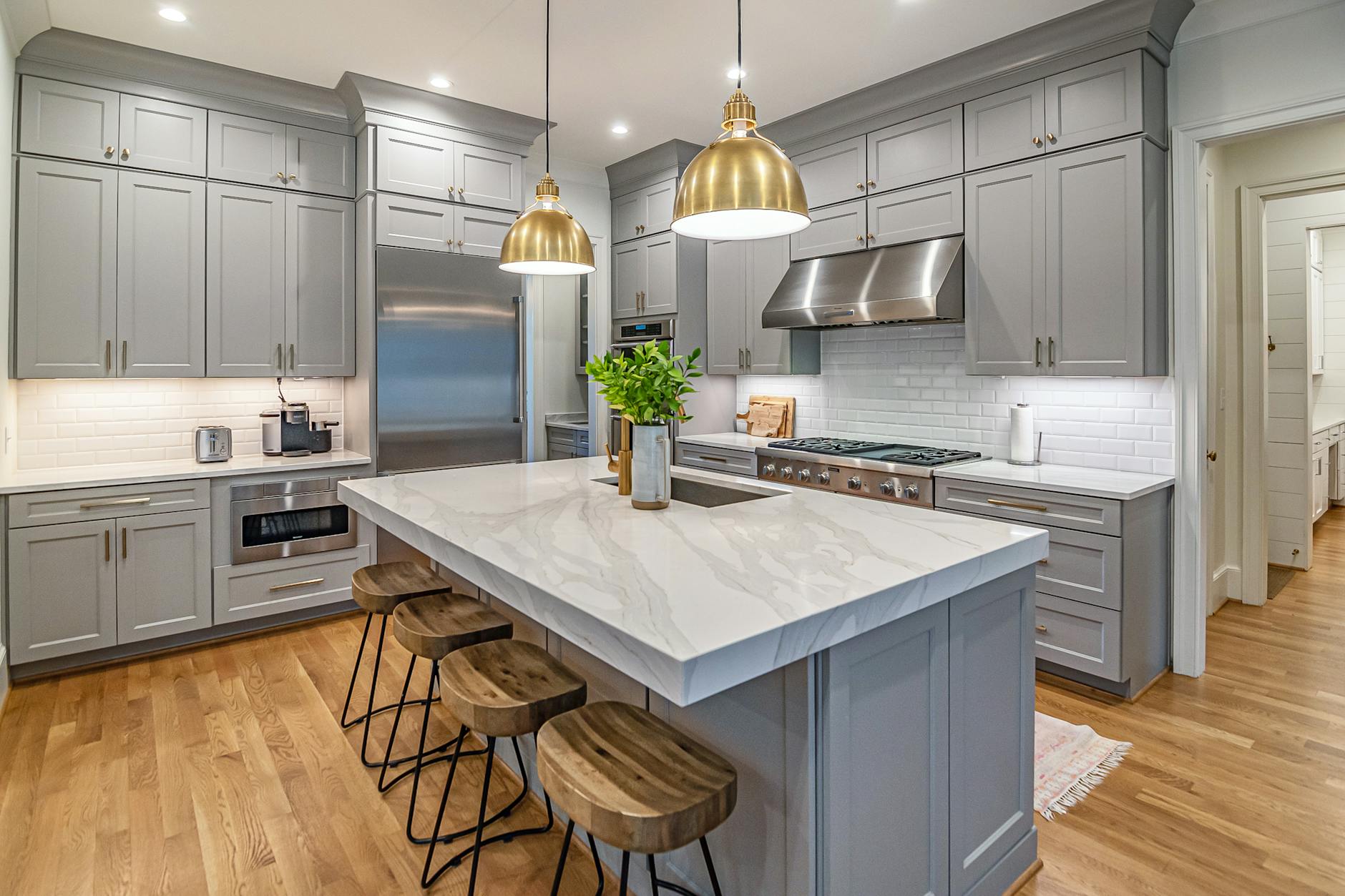
We analyze the true cost, space requirements, and workflow impact of adding an island to a compact kitchen to determine whether the investment pays off.
We examine whether open shelving actually reduces kitchen costs or simply shifts expenses to maintenance time, with specific data on installation, cleaning, and workflow efficiency.
An appliance garage eliminates countertop clutter while keeping daily-use machines accessible. These ideas range from simple cabinet retrofits to complete workflow stations.
Selecting efficient under cabinet lighting requires balancing lumens per watt, installation type, and long-term maintenance costs. This guide examines the true running costs of LED bars, xenon pucks, and fluorescent strips to help you illuminate your countertops without inflating your energy bills.
An honest comparison of kitchen storage systems weighing upfront installation costs, long-term maintenance expenses, and daily workflow efficiency.
Wall mounted kitchen storage offers the most efficient use of vertical space, typically costing 60% less than cabinet replacements while freeing up 20-30% of counter area.
A cleaning rhythm system for kitchen maintenance reduces daily cleanup from sixty minutes to twelve through zone-based scheduling and strategic tool placement.