Home Energy Monitor: Is It Worth the Cost? (An Honest Review)
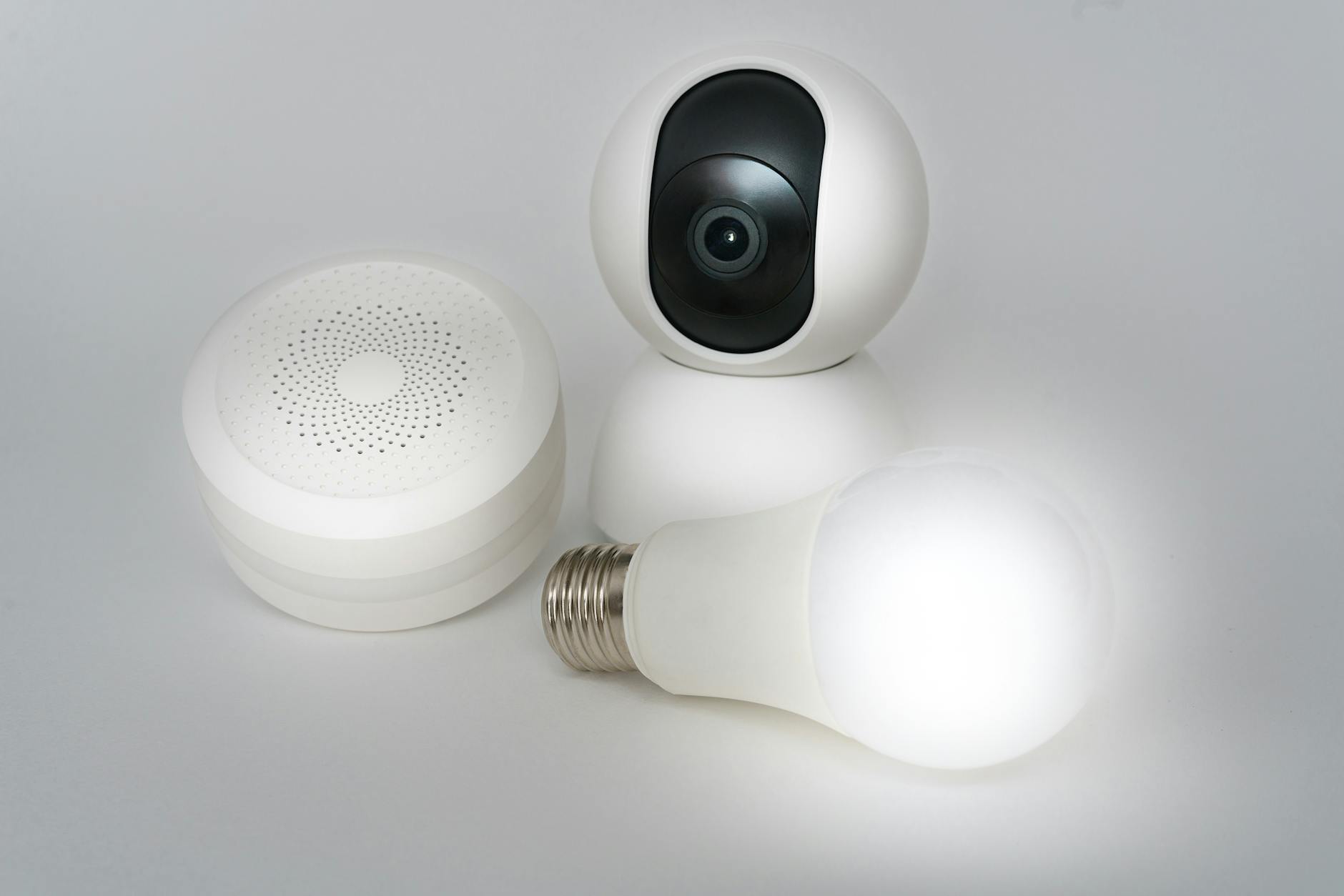
An honest cost-benefit analysis of home energy monitors, examining real electricity savings data, payback periods, and which households benefit most from the investment.
An honest cost-benefit analysis of home energy monitors, examining real electricity savings data, payback periods, and which households benefit most from the investment.

Understanding how to read electricity meter UK displays prevents costly estimated bills and gives you precise control over household energy spending.

Smart plugs promise to reveal hidden energy costs, but the hardware investment only makes sense for specific household scenarios. Here is the honest mathematics behind monitoring your appliances.

Television running costs vary significantly by screen size and display technology, with most UK households paying between 2p and 5p per hour for typical viewing sessions.

Understanding the true cost of keeping a compact refrigerator running year-round helps determine whether the convenience justifies the electricity expense in British households.

A detailed analysis of underfloor heating running costs comparing electric and wet systems, with specific per-hour calculations and factors that influence your energy bills.

Understanding your chest freezer electricity cost per year helps determine whether your current model is economical. We break down real running costs for UK households and when replacement becomes the smarter financial choice.
A standard 10-litre compressor dehumidifier costs between 5p and 10p per hour to run on current UK energy tariffs, while larger desiccant models can reach 15p. Understanding the relationship between wattage, room temperature, and electricity prices allows for accurate household budgeting during damp winter months.

We compare the true running costs of central heating radiators versus portable electric heaters, examining heat distribution, energy efficiency, and the hidden expenses that determine which warms your home for less.

Understanding your food processor’s electricity consumption helps you manage kitchen running costs without sacrificing meal prep efficiency.