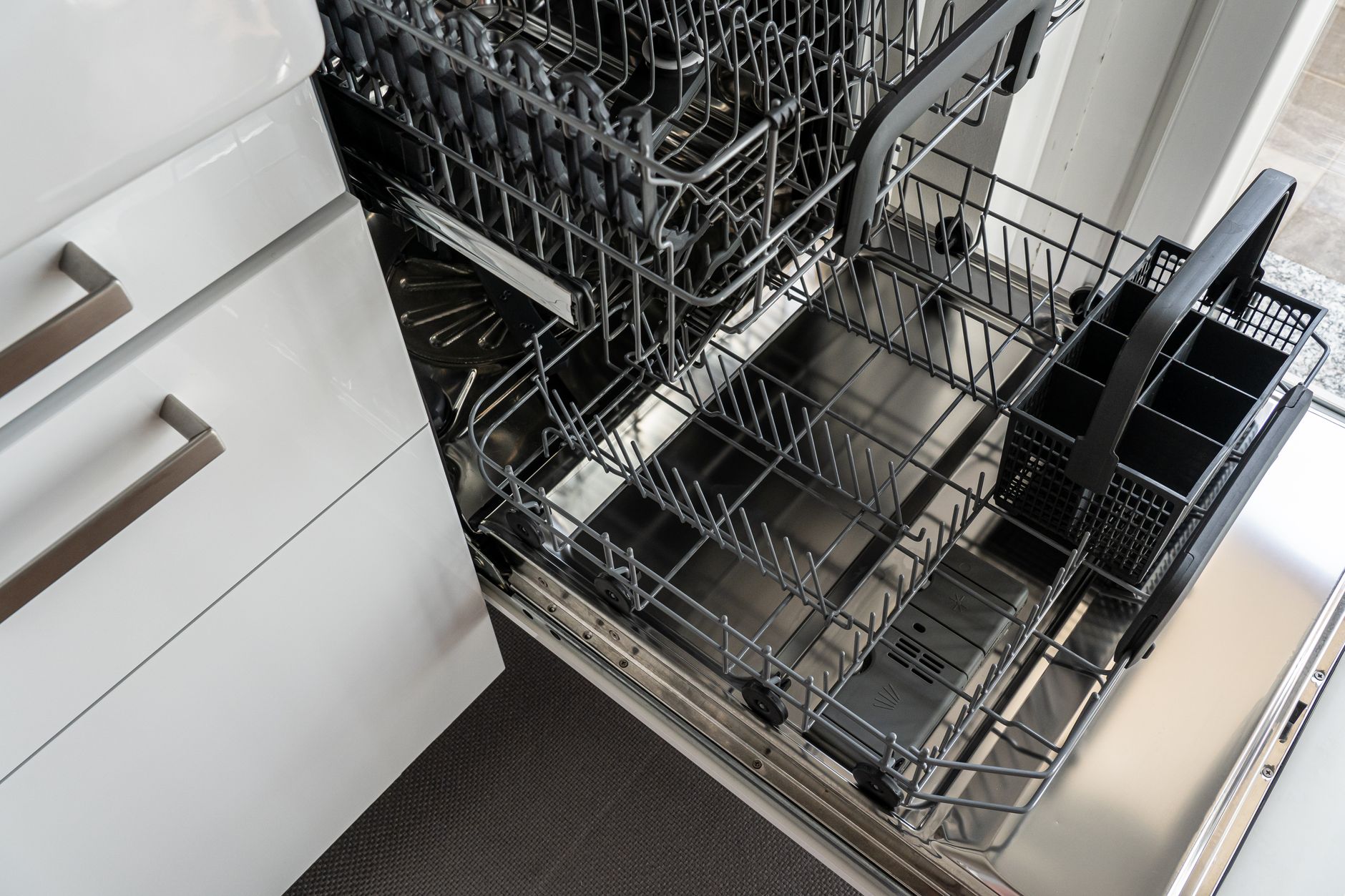
A high-efficiency dishwasher typically consumes between 0.6 and 1.2 kWh per cycle while using less than 4 gallons of water, making it a critical upgrade for any home looking to lower its utility footprint. Choosing the right machine hinges on balancing your household size against long-term operational expenses rather than just the initial purchase price.
⚡ In a Rush? Key Takeaways
- Modern efficient dishwashers use roughly 3 to 4 gallons of water per full cycle.
- Selecting “Eco” settings can reduce your total energy consumption by up to 40% per wash.
- Heat-pump-enabled drying models can cut overall energy use by roughly 20% compared to traditional heating elements.
- ✅ Best value: Choose an Energy Star certified unit and air-dry dishes instead of using the heated cycle.
How Do You Choose the Most Efficient Dishwasher?
Efficiency is measured by energy star ratings, water consumption per cycle, and the presence of advanced sensors that optimize loads.
What energy labels should you look for?
Look for Energy Star certification, which signifies a machine uses significantly less energy and water than standard minimums.
Energy Star certification remains the gold standard for appliance intelligence. Machines carrying this label must meet strict requirements for both electricity and water efficiency, which directly impacts your annual energy savings. Manufacturers are now required to publish detailed energy guides that help you calculate estimated annual operating costs based on average usage.
Why does water usage matter for efficiency?
Lower water usage reduces the load on your water heater, which is one of the most energy-intensive appliances in your home.
Most homeowners assume water usage only affects the water bill, but it is deeply linked to energy efficiency. Because the dishwasher must heat that water to sanitize dishes, using 3 gallons versus 8 gallons per cycle saves a substantial amount of electricity over a year. Modern kitchen workflow designs benefit from machines that recycle rinse water for subsequent cycles.
Are sensor-based wash cycles actually worth it?
Sensors detect soil levels to adjust water volume and temperature automatically, preventing energy waste on lightly soiled dishes.
High-end models now use turbidity sensors to analyze how dirty the water is during the pre-rinse. If the water remains clean, the machine shortens the cycle and lowers the temperature. This technology is a significant step forward from older, timer-based cycles that ran for a fixed duration regardless of the load’s cleanliness.
Which Features Affect Long-Term Running Costs?
Features like air-dry settings, sensor technology, and high-quality build components significantly influence your yearly expenses.
How much energy does the drying cycle consume?
Heating elements are the highest power consumers in a dishwasher, often adding up to 1 kWh to the total cost of a single wash.
The heated drying cycle is the single largest energy drain in modern machines. Many units now offer automatic door-opening features that release steam, allowing dishes to air-dry naturally. By bypassing the heating element, you can save roughly 0.5 to 1 kWh per cycle, which adds up to significant savings when calculated over 200 cycles per year.
Is a quiet dishwasher more efficient?
Quiet operation is generally indicative of better insulation and higher-quality pump components that run more efficiently.
A quiet machine—typically rated below 44 decibels—often features superior sound-dampening insulation. This insulation helps keep the wash water hot, reducing the effort required by the heating element to maintain temperature. It is one of the few instances where luxury features directly correlate with improved energy performance.
Do you need a stainless steel tub for efficiency?
Stainless steel tubs retain heat better than plastic ones, reducing the energy needed to keep water at a consistent temperature.
Beyond durability, stainless steel surfaces reflect heat effectively. This material helps the dishwasher maintain the required sanitization temperatures with less power input. For more guidance on selecting long-lasting appliances, you can read our appliance buying guide.
How does loading technique affect efficiency?
Correctly arranging dishes maximizes spray arm coverage, minimizing wasted water and energy from repeat cycles.
Place larger items like pots and pans on the bottom rack, angled so water can reach interior surfaces, and avoid nesting utensils that block spray. On the top rack, position glasses and cups upside down at a slight angle to prevent water pooling and ensure they dry quickly. Overloading restricts water flow, forcing the machine to run longer or use higher temperatures, which can increase energy use by up to 15% per cycle.
Additionally, pre‑rinsing is unnecessary with modern sensors; scraping food off and loading directly lets the dishwasher’s turbidity sensors adjust the cycle accurately, saving both water and the energy needed to heat excess rinse water.
Frequently Asked Questions About Dishwashers
Understand the common myths and realities regarding dishwasher maintenance, installation sizes, and daily operation costs today.
Are dishwashers more efficient than hand-washing?
A modern dishwasher uses roughly 4 gallons per cycle, while hand-washing the same load uses 15 to 27 gallons of water.
How long should a high-efficiency dishwasher last?
Well-maintained models typically last 10 to 12 years before requiring significant repairs or efficiency-degrading replacements.
Should you use rinse aid for efficiency?
Rinse aid improves drying performance, allowing you to use low-energy drying modes without leaving water spots on your clean dishes.
Are there specific brands to avoid?
Reliability data varies, but prioritizing brands with widely available parts and local service support is essential for longevity.