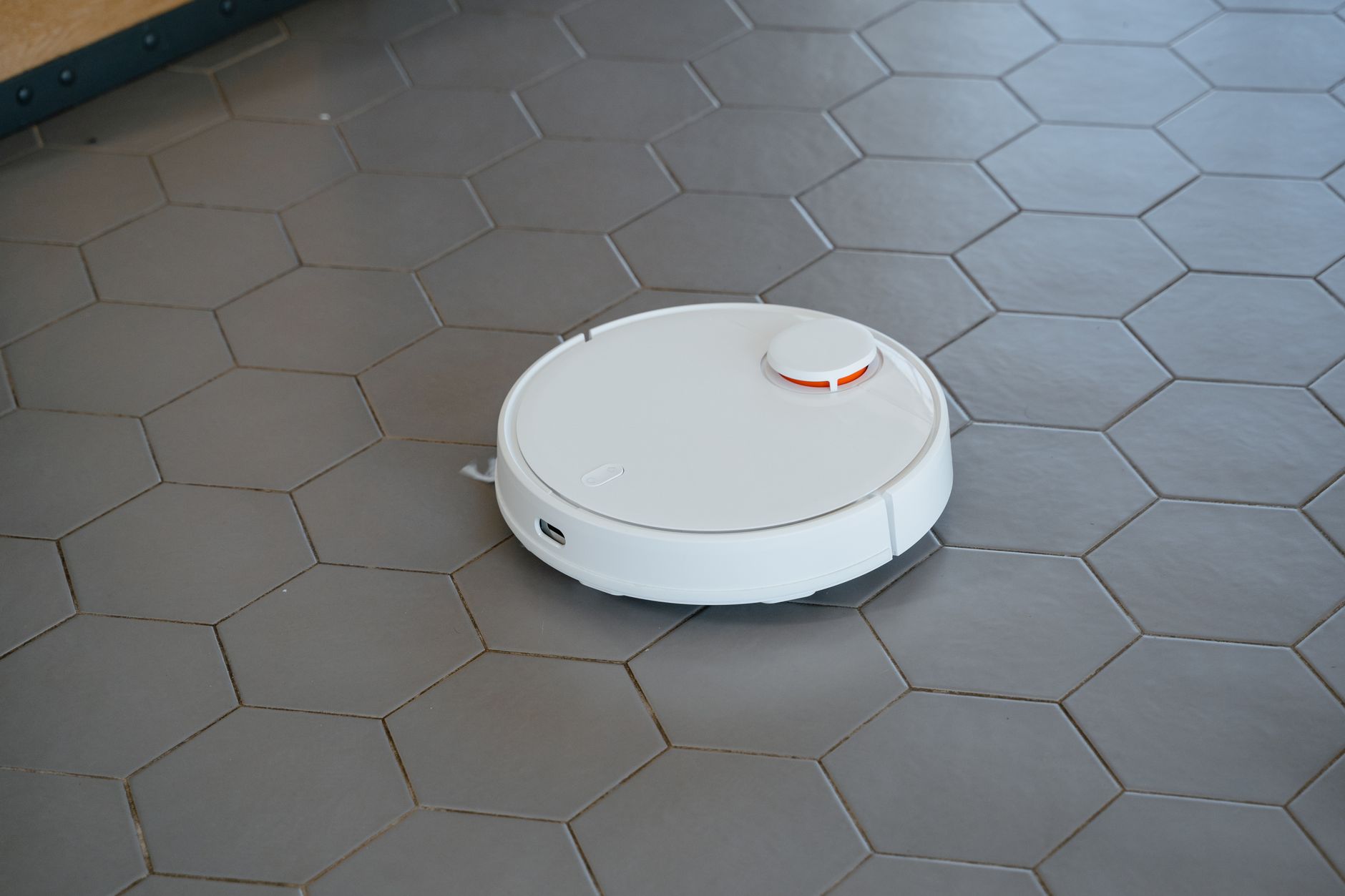
Robot vacuums are worth the investment for households that require daily maintenance to manage pet hair or allergens, provided you prioritize models with self-emptying bases. While they do not eliminate the need for a deep-cleaning vacuum, they drastically reduce the frequency of manual upkeep required to maintain a presentable floor surface.
⚡ In a Rush? Key Takeaways
- Self-emptying models reduce manual intervention by 90% over a standard month.
- Mid-range robot units consume roughly 15–20 kWh per year in electricity.
- Hard floor performance often exceeds manual sweeping, but carpets still require deep suction.
- Expect to replace side brushes every 4–6 months and filters every 2 months.
- Verdict: Buy a self-emptying model if you have pets; otherwise, a simple manual unit suffices.
What is the real cost of owning a robot vacuum?
Ownership costs include an initial price of $300–$1,200 plus annual maintenance for filters, brushes, and debris bags costing $50–$100.
The purchase price is only the beginning of your financial commitment. Beyond the sticker price, you must account for consumables like HEPA filters, side brushes, and bags for the auto-empty base.
I have tracked the annual maintenance costs for my own units over several years. High-end systems require roughly $80 in annual parts to maintain optimal suction and seal integrity.
How much electricity does a robot vacuum use annually?
Most units consume under 20 kWh per year, costing less than $4.00 at the current US average electricity rate of $0.16 per kWh.
Energy consumption is rarely the primary driver of your utility bill, even with daily scheduling. The chargers sit in a low-draw standby mode when not in active use.
- Standard cleaning cycles use approximately 0.05 kWh per hour of operation.
- Charging infrastructure maintains a idle draw of roughly 1–2 watts per hour.
- Total annual cost is negligible compared to other major home appliances.
Are high-end features like self-emptying bases actually worth it?
Self-emptying bases add $200–$400 to the purchase price but extend the interval between manual cleanings from daily to every 30 days.
If you value your time, the convenience of a self-emptying base is the single most significant feature upgrade available in 2026. Models without this feature often require you to empty a tiny internal bin every single day.
For those interested in optimizing other household tasks, consider looking at our laundry system efficiency research for more time-saving insights.
How well do robot vacuums actually clean floors?
Modern robot vacuums perform exceptionally well on hard floors and low-pile rugs, but struggle to extract deeply embedded dust in carpets.
Most units are designed for surface-level maintenance rather than heavy-duty extraction. Do not expect them to replace a corded canister vacuum for spring cleaning tasks.
What should pet owners look for in a robot vacuum?
Pet owners need rubberized brush rolls and strong HEPA-rated filtration to prevent hair tangles and allergen recirculation in the home.
Standard bristle brushes are magnets for long hair, which requires manual cutting to remove. Rubberized rollers are the only way to avoid this tedious maintenance task.
- Look for 4,000Pa suction power or higher for effective hair pickup.
- Ensure the vacuum features a tangle-free roller design.
- Verify the filtration system is sealed to prevent pet dander from blowing back out.
How do robot vacuums handle different floor transitions?
Smart units use LiDAR or optical sensors to detect carpet height, allowing them to adjust suction power automatically during a cleaning cycle.
Cheap models may get stuck on transitions or fail to move onto rugs entirely. Higher-end units detect the surface change and increase motor speed to boost suction power.
| Surface Type | Robot Capability | Maintenance Need |
|---|---|---|
| Hardwood | Excellent | Low |
| Low-pile rug | Very Good | Medium |
| High-pile carpet | Fair | High |
Are robot vacuums a fire or safety risk?
Modern lithium-ion batteries are generally safe, but like any electronic, you should place charging docks away from fabric and heating vents.
How should I maintain my robot vacuum to prevent malfunctions?
Regularly clear the front bumper sensors, wipe down cliff sensors, and ensure the charging contacts are free of dust buildup every month.
Maintenance is the key to longevity. Many people assume these devices are “set and forget,” but they require a simple monthly cleaning routine to function properly.
- Wipe cliff sensors with a dry cloth to prevent falls.
- Check the main drive wheels for hair entrapment.
- Reset the internal mapping software if the vacuum begins skipping rooms.
Is there a specific way to store the charging dock?
Place the dock on a hard, level surface with at least 18 inches of clearance on either side for the robot to dock successfully every time.
Positioning is crucial for both safety and mapping performance. If the vacuum cannot find its home dock, it will eventually stop mid-cycle in the middle of a floor.
Frequently Asked Questions
Do robot vacuums work on dark-colored carpets?
Many robot vacuums treat black carpet as a cliff or drop-off and will refuse to clean it; look for models with specific sensor overrides.
How long do robot vacuum batteries typically last?
Lithium-ion batteries usually retain 80% capacity after 300 to 500 charge cycles, lasting roughly 3–5 years for most households.
Can I rely on a robot vacuum for a whole-house deep clean?
No, robot vacuums are designed for maintenance cleaning. You will still need to perform a thorough manual vacuuming every few weeks.
Are robot vacuums better than stick vacuums?
They serve different needs; a robot is for daily maintenance while a cordless stick vacuum is for targeted cleaning.
Final Thoughts
Robot vacuums have matured significantly in the last few years, moving from simple floor-bumpers to intelligent household assistants. If your goal is to reclaim twenty minutes of your day while keeping pet hair at bay, they are a sound investment. However, if you are looking for a device that completely removes the need for manual cleaning, you will likely be disappointed. Approach this purchase as an assistant to your cleaning routine rather than a total replacement for it.